
Dumpster Weight Limits — Philadelphia, PA
Dumpster Weight Limits & Weight Tickets
Dumpster weight limits in Philadelphia, stated in writing before you pay: every quote lists the tons included and the rate for each ton over, and every haul crosses a certified scale and comes back to you with the weight ticket and photos of the load.
Weight is where a dumpster rental surprises people. The size on the quote is about room; the bill at the end is often about tons. A dumpster can look half empty and be at its limit, and a fee that shows up weeks later with no ticket to back it up is the most common complaint about renting a roll-off. Ours works the other way: the numbers go on the quote, and the proof comes back with every load.
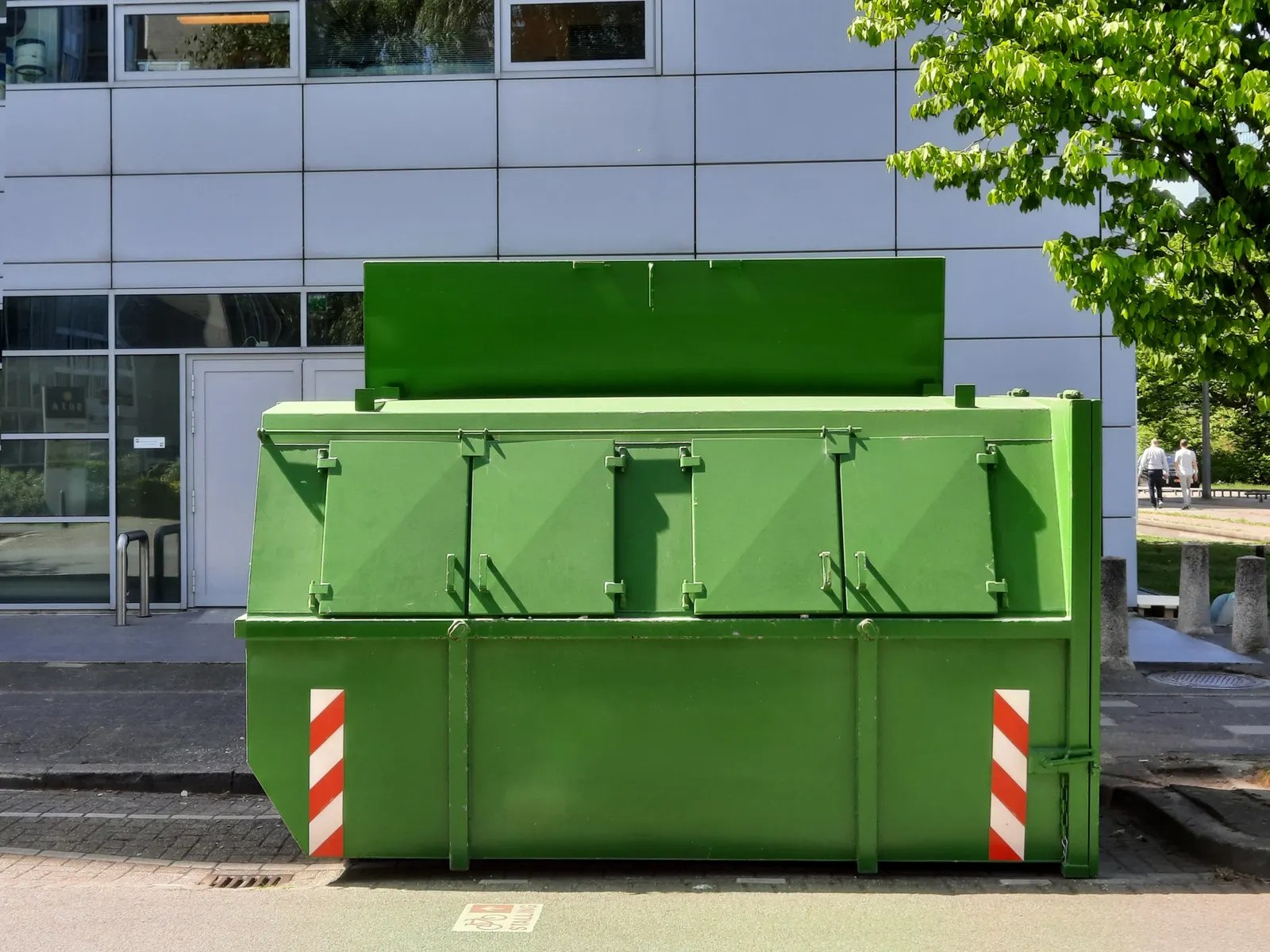
Tons in Writing
The tons included and the per-ton overage rate on every quote.
A Ticket Every Haul
The scale's weight ticket for each load, sent to you.
Photos of the Load
The driver's photos of what was in the dumpster when it left.
Sized for Heavy Debris
Concrete, brick and dirt go in dumpsters built for the weight.
Why Dumpsters Have Weight Limits
Two things cap how much a dumpster can weigh. The first is the road: a roll-off truck carrying a loaded dumpster has a legal weight limit on its axles, and the dumpster plus the debris has to stay under it. The second is the landfill or transfer station, which charges by the ton for what comes in. A dumpster price covers a set number of tons of disposal, and anything past that is a cost someone has to pay.
That's why a 10 yard dumpster full of concrete can weigh as much as a 40 yard full of drywall and framing scraps. The size limits the room. The weight limits what the truck can legally carry and what the disposal costs.
What's on the Quote
Every dumpster quote states the weight numbers before you pay, so the end of the job holds no surprises:
- Tons Included: How much weight the rental price covers for each haul.
- Overage Rate: The price for each ton over the included amount, per load.
- The Debris: What the quote was built around: mixed debris, roofing, plaster, or clean concrete and dirt.
- Swap Price: What each additional haul costs if the job fills more than one dumpster.
The Weight Ticket
Every load crosses a certified scale at the transfer station or landfill. The truck is weighed on the way in and again on the way out, and the difference is the weight of what was dumped. That number is printed on a weight ticket with the date, the time and the facility, and the ticket comes back to you with the driver's photos of the load. The tonnage you're billed against is the number on the scale, and you can see it.
Keep the tickets with the job file. A general contractor billing an owner for disposal, a property manager reconciling a cleanout, or a homeowner checking the final invoice all have the same proof in hand: each haul, its weight, and what it looked like when it left.
How Heavy Common Debris Is
Weight depends on what's in the dumpster far more than how full it is. These are the materials that change the math on a Philadelphia job:
- Concrete, Brick & Block: The heaviest. A few yards can reach a dumpster's weight limit, so they go in a smaller dumpster sized for weight.
- Dirt & Stone: As heavy as concrete, and heavier still when wet.
- Plaster & Lath: The weight behind most rowhome gut rehabs: walls of plaster can fill a 20 yard's tonnage long before the dumpster is full.
- Roofing Shingles: Heavy for their size, especially with two or three layers coming off.
- Tile & Mortar Beds: Old bathrooms set in a thick mortar bed weigh far more than the tile alone.
- Drywall, Wood & Packaging: Bulky and light. These fill a dumpster by volume long before they reach the weight limit.
Concrete, Brick & Dirt: Sized for Weight
Clean heavy debris goes in a heavy debris dumpster, which is smaller on purpose. A concrete dumpster filled with concrete, brick, block, dirt or asphalt hits the truck's legal limit while there's still room in it, so it's sized for the weight instead of the volume. Keeping it clean, with no wood, trash or drywall mixed in, also keeps disposal cheaper, because clean concrete and dirt can often be recycled instead of landfilled.
If a job has a lot of masonry, plan it as several heavy loads swapped as each one fills. Our dumpster swap page covers how that works.
Never Load Past the Rail
A dumpster loaded above its top rail is overweight more often than not, and it's illegal to haul either way, because the load has to be tarped and secured for the road. The driver can't take a dumpster with debris sticking up over the sides, so it has to be leveled first, which means a return trip. Keep the load level with the rail and spread heavy material across the floor instead of piling it at one end, where it can make the dumpster hard to pull onto the truck.
How to Stay Under the Limit
Most overage fees come from a handful of avoidable mistakes. These keep a job inside the included tons:
- Tell Us What's Coming Out: The quote sets the tons for the debris you name. A plaster rehab and a drywall fit-out get different numbers.
- Separate the Heavy Stuff: Concrete and brick in their own dumpster cost less than the same weight mixed into general debris.
- Swap Early on Heavy Loads: A dumpster of plaster swapped at its weight limit stays inside the allowance; one loaded to the rail goes over.
- Keep Water Out: Rain soaks into drywall, insulation and dirt and adds weight. Tarp it overnight when rain is coming.
- Keep Neighbors' Trash Out: On a city block, an open dumpster attracts other people's junk. Tarp it or fill it in daylight.
What Can't Go in a Dumpster
Some things can't go in at any weight, because the transfer station won't take them or the law keeps them out of landfills. Tires, paint and solvents, batteries, propane and gas cans, appliances that still hold refrigerant, electronics, and anything hazardous stay out of the dumpster. If they turn up in a load, they come back or they come with a fee. Ask before the job starts if you're not sure about something, and we'll tell you where it can go instead.
Weight & Dumpster Size
Each size has its own weight allowance on the quote, and the bigger sizes are built for bulky, light debris more than heavy loads. As a rule of thumb for Philadelphia jobs:
- 10 Yard: The small dumpster for heavy debris: concrete, brick, tile and dirt, or one room of general debris. See the 10 yard dumpster.
- 20 Yard: The everyday choice for rehabs and roofs, with plaster and shingles quoted for their weight. See the 20 yard dumpster.
- 30 Yard: Bigger rehabs and fit-outs with mixed debris. See the 30 yard dumpster.
- 40 Yard: Bulky, light debris from demolition and commercial cleanouts. See the 40 yard dumpster.
Roofing Tear-Offs
Shingles are one of the most common reasons a dumpster goes over its tonnage on a Philadelphia job. Asphalt shingles are dense, and older houses often have two or three layers on the roof. A tear-off on a single twin can put several tons in a dumpster that still looks half full. Tell us how many squares and how many layers when you ask for the quote, and the tonnage will be set for a roof, not a guess.
Flat roofs on rowhomes bring their own weight: layers of modified bitumen, tar and gravel, and sometimes old decking. The same rule applies: name the roof, and the quote follows it.
Reading Your Invoice
At the end of the job, the invoice lines up with the tickets. Each haul shows its weight from the scale, the tons included for that haul, and any tons over at the rate on your quote. If a haul came in under its allowance, there's nothing extra for that load. If one came in over, the ticket shows exactly how much. There's no estimated weight, no round number and no fee that wasn't on the quote.
Mixed Debris on a Rehab
Most Philadelphia rehabs produce mixed debris: a little of everything in one dumpster. Plaster and lath from the walls, old flooring, kitchen cabinets, a bathtub, drywall from a past renovation and the trash from a crew of six. It's the hardest load to estimate, because the weight depends on the mix. A rehab heavy on plaster will weigh far more than one that's mostly drywall and cabinets.
That's why the quote asks what's coming out. The more we know about the house, the closer the tonnage on the quote matches what goes in the dumpster. And when it doesn't, the weight ticket shows exactly what happened, and the next dumpster on the job can be sized differently.
What Goes Into the Price
Every quote is built around your event or job, not pulled from a rate card. These move the price most.
- Tons Included: Set on the quote by dumpster size and the debris the job makes.
- Overage Rate: A per-ton price for weight over the allowance, stated before you pay.
- Debris Type: Clean concrete and dirt cost less to dispose of than mixed debris.
- Number of Hauls: Each swap is its own haul with its own allowance and its own ticket.
Delivery, setup and pickup are on the quote, and the quote is in writing before you pay anything.
More From Philly Portables
Dumpster Weight Limits & Weight Tickets in Philadelphia: Questions
How much weight can a roll-off dumpster hold?
It depends on the size and what's in it. The truck's legal road weight sets the ceiling, and the quote states how many tons are included for your debris. Heavy materials like concrete go in smaller dumpsters sized for weight.
What happens if my dumpster is overweight?
Weight over the included tons is billed at the per-ton rate on your quote, backed by the scale's weight ticket. A dumpster too heavy to haul legally has to be lightened before it can leave.
Do I get a weight ticket?
Yes. Every haul crosses a certified scale, and the weight ticket comes back to you with the driver's photos of the load.
Why is concrete put in a smaller dumpster?
Concrete, brick and dirt are so heavy that a few yards reach the truck's legal limit. A smaller dumpster filled with them is as heavy as a big one can legally be.
Does rain add weight to a dumpster?
Yes. Drywall, insulation, wood and dirt soak up water. Tarp the dumpster when rain is coming.
Can I go over the fill line if it's light debris?
No. Anything above the top rail can't be tarped, so the dumpster can't be hauled until it's leveled, whatever it weighs.
Get a Quote
Send the details and we'll respond today.
Get the Tons in Writing Before You Pay
Porta potty rental, dumpster rental and storage container rental for your Philadelphia job, quoted the same day.