Roll-Off Dumpsters — Philadelphia, PA
10 Yard Dumpster Rental in Philadelphia
10 yard dumpster rental in Philadelphia for bathroom and kitchen remodels, basement and garage cleanouts, small roofs and heavy debris like concrete, brick and tile: the smallest roll-off, short enough for a rowhome block and quoted the same day with the days and tons spelled out.
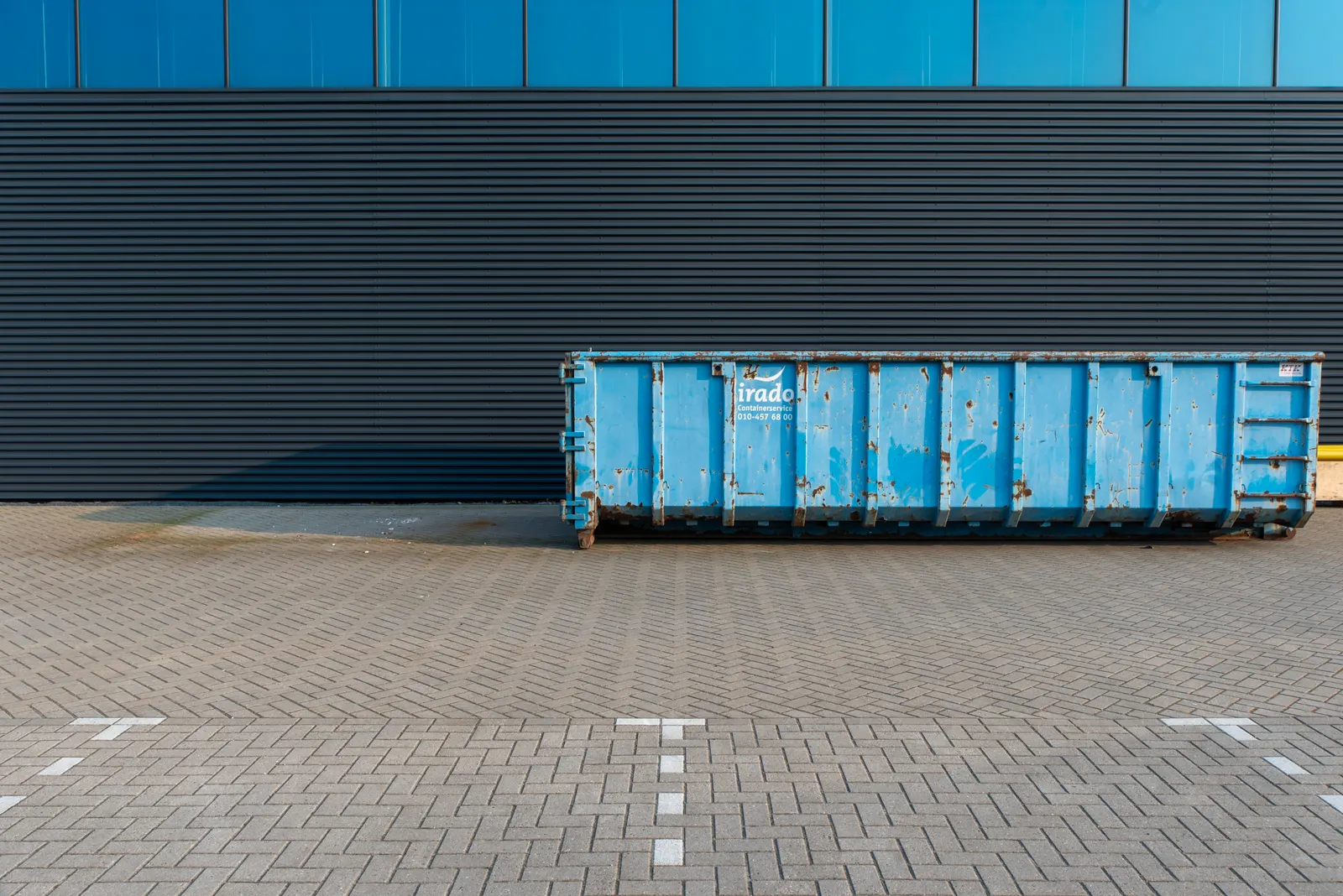
A 10 yard holds about three pickup truck loads, which is more than most people expect from the smallest dumpster on the lot. It's the right size when the job is one room, one basement or one load of something heavy, and on a Philadelphia block it has one more thing going for it: it fits in front of a single rowhome without taking the neighbor's parking space too.
About 3 Pickup Loads
One room, one basement or one load of heavy debris.
Fits a Rowhome Block
The shortest roll-off, sized for a single house front.
Built for Heavy Debris
The size to use for concrete, brick, dirt and tile.
Days & Tons in Writing
The quote says what's included and what an extra ton costs.
What Fits in a 10 Yard Dumpster
Ten cubic yards is a box about the volume of three full pickup beds. In real jobs that's the tear-out from one bathroom, tile, tub, vanity, toilet and the drywall behind them; a kitchen with its cabinets, counters and flooring; a basement or a garage that's been collecting for twenty years; or the shingles off a small roof or a porch.
It's also the most common size for anything heavy. Concrete from a sidewalk or a patio, brick from a garden wall or a chimney, dirt from a footing and tile from a whole floor all weigh far more per yard than drywall and lumber. A bigger dumpster filled with that kind of debris would be too heavy to haul legally, so heavy loads go in a 10 yard, often filled only partway. See Concrete Dumpster Rental in Philadelphia for how that works.
- Bathroom Remodel: A full gut of one bathroom, including the tub, tile and drywall.
- Kitchen Remodel: Cabinets, counters, flooring and the old appliances that have no refrigerant.
- Cleanouts: A basement, a garage, an attic or a single apartment turnover.
- Small Roofs & Porches: One layer off a porch roof, a garage or a small rowhome roof.
- Heavy Debris: Concrete, brick, block, dirt and tile, filled to the weight limit rather than the top.
Why a 10 Yard Works on a Philadelphia Block
Most of Philadelphia was built as rowhomes on narrow streets, and a dumpster has to share that street with parked cars, the trash truck and everyone walking past. The 10 yard is the shortest roll-off, so it fits along the curb in front of a single house where a longer dumpster would run into the next driveway, a fire hydrant or the corner.
Where it sits decides the paperwork. On the street or the sidewalk, it's in the city's right-of-way and needs the Streets Department's approval on top of the dumpster license every Philadelphia dumpster carries. On a driveway, a rear yard reached from an alley or a vacant lot, it needs the license and not the Streets approval. Our Philadelphia Dumpster Permit & License Guide walks through each route, and we'll tell you which applies to your address when we quote.
The truck still needs room to work: a straight run to back in and clear space overhead to tip the dumpster off. On a narrow block with wires or trees over the street, tell us before the delivery day so we can plan where the truck stops.
When to Go Bigger Instead
A 10 yard fills fast on bulky, light debris. A whole-house rehab, a full roof on a twin or a cleanout of a three-story house will fill it before lunch, and a second haul usually costs more than starting with the right size. If the job is more than one room or one floor, look at a 20 yard dumpster instead.
The exception is weight. If what's coming out is concrete, brick, plaster or dirt, the 10 yard is the right size even for a bigger job, because the limit is how much the truck can carry, not how much fits. A big masonry job gets several 10 yard hauls, or a swap on call, rather than one oversized dumpster that can't leave the curb.
How the Rental Works
Send the address, what you're tearing out and when you need it, and the quote comes back the same day in writing: the size, the days on site, the tons included, the rate for each ton over and the swap price. Accept it on your private job page and pay there.
The dumpster is dropped on your date where you point. Fill it level with the top rail so it can be tarped and hauled legally. When it's full, one call swaps it for an empty or ends the rental. Every haul crosses a scale at the transfer station or landfill, and the weight ticket comes back to you with the driver's photos of the load, so the tons you're billed against are the tons the scale recorded.
What Can't Go in the Dumpster
Hazardous materials stay out of every dumpster: paint and solvents, chemicals, tires, batteries, propane tanks, appliances with refrigerant like refrigerators and air conditioners, asbestos and anything flammable. Older Philadelphia houses have their own surprises, like old pipe insulation and floor tile that may contain asbestos, which has its own rules for removal and disposal. When in doubt, ask before it goes in, because a load the facility rejects comes back as a problem for the job.
Homeowners, Contractors & Property Managers
Homeowners
A weekend bathroom remodel, a basement that finally gets cleared, the garage before a move. A 10 yard in the driveway or at the curb for a week takes it all, and there's no hauling to the dump in the family car.
Contractors
Kitchen and bath remodelers, tile setters, masons and roofers on small jobs use the 10 yard because it fits the block and the budget, and because heavy tear-out has to go in a small dumpster anyway. Add a porta potty for the crew on the same quote.
Property Managers
Unit turnovers, an eviction cleanout or a flooded basement in a rental. A short rental with a prompt pickup keeps the dumpster from sitting at the curb collecting the neighbors' trash.
Small Jobs Across Philadelphia
The 10 yard shows up on the same kinds of jobs in every part of the city, shaped by the houses there. In South Philly and Passyunk, it's a kitchen or bath in a two-story rowhome, with the dumpster at the curb because there's no driveway and no back alley wide enough for a truck. In Port Richmond and Kensington, it's the basement of a house that's changing hands. In Mt. Airy, Germantown and the Northeast, where twins and singles have driveways, it sits off the street entirely and needs only the license.
Around Rittenhouse, Fairmount and Queen Village, the job might be a single bathroom in a condo or a brownstone, and the dumpster has the tightest blocks in the city to fit on. A 10 yard is often the only roll-off that works there, and the delivery is planned around the morning parking and the trash truck.
Getting the Most Into a 10 Yard
A small dumpster rewards a little planning. Break things down: a vanity in pieces, cabinets taken apart, a door off its frame. Lay flat, heavy pieces like drywall and doors on the floor first, then fill the gaps with smaller debris, and keep bulky items like a chair or a mattress for last so they don't leave empty space underneath.
Keep the load level with the top rail. Anything sticking up above the rim can fall off on the road, and the driver can't take a dumpster that can't be tarped. If you're running out of room with work still to go, call for a swap before the load piles up over the top.
Short Rentals & Weekend Projects
A lot of 10 yard jobs are short: a bathroom torn out over a long weekend, a basement cleared in two days, a patio broken up on a Saturday. Tell us the dates and the dumpster can drop on Friday and leave on Monday or Tuesday, so it's not sitting at the curb for a week collecting the block's trash after the work is done.
On a weekend job, ask for a morning delivery so the crew starts loading right away, and call for pickup as soon as it's full. A short rental with a prompt pickup is also the neighborly way to do it on a rowhome block, where a dumpster out front affects everyone's parking.
What Goes Into the Price
Every quote is built around your event or job, not pulled from a rate card. These move the price most.
- The Size: A 10 yard is the least expensive roll-off.
- What Goes In: Mixed debris, clean concrete and roofing are each handled differently at the facility.
- Weight: A set tonnage is included, with the rate for each ton over stated on the quote.
- Days & Swaps: A set number of days on site; extra days and each swap are on the quote.
Delivery, setup and pickup are on the quote, and the quote is in writing before you pay anything.
More From Philly Portables
10 Yard Dumpster Rental in Philadelphia: Questions
How big is a 10 yard dumpster?
It holds ten cubic yards, about three pickup truck loads. It's the shortest roll-off, which is why it fits on a rowhome block.
What fits in a 10 yard dumpster?
One bathroom or kitchen remodel, a basement or garage cleanout, a small roof, or a load of heavy debris like concrete, brick or tile.
Can I put concrete in a 10 yard dumpster?
Yes. The 10 yard is the usual size for concrete, brick, dirt and tile. Heavy loads are filled to the weight limit, which may be partway up, not to the top.
Do I need a permit for a 10 yard dumpster in Philadelphia?
Every dumpster in Philadelphia needs an L&I dumpster license. One on the street or sidewalk also needs the Streets Department's approval. On a driveway or private lot, the license alone covers it.
How long can I keep it?
A set number of days is included and listed on the quote. Extra days and swaps are on the quote too.
How much does a 10 yard dumpster cost in Philadelphia?
It depends on the days, the debris and the weight. Send the address and what you're throwing out for a written quote the same day.
Get a Quote
Send the details and we'll respond today.
A 10 Yard Dumpster for Your Philadelphia Job
Porta potty rental, dumpster rental and storage container rental for your Philadelphia job, quoted the same day.