Roll-Off Dumpsters — Philadelphia, PA
40 Yard Dumpster Rental in Philadelphia
40 yard dumpster rental in Philadelphia for demolition, multifamily and commercial construction, warehouse and office cleanouts and any job with a lot of bulky, light debris: the largest roll-off, about twelve pickup loads, quoted the same day with the days, the tons and the swap price in writing.
The 40 yard is the biggest roll-off on the road, and it's built for volume: drywall, framing lumber, cabinetry, ceiling tile, packaging and everything else that's big but not heavy. It's the size for sites with room to spare, a fence around them and a crew producing debris faster than a 20 or a 30 can keep up with.
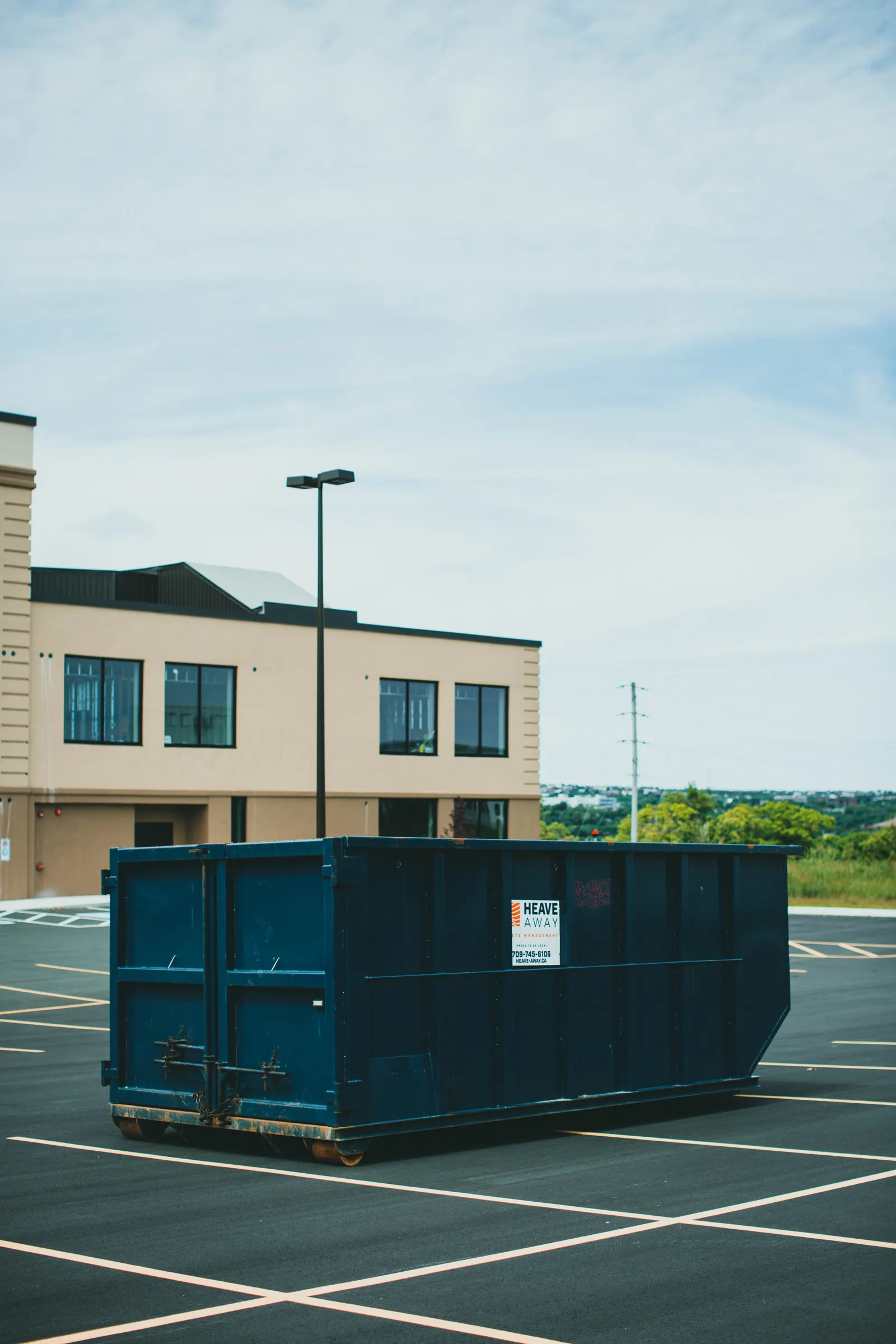
About 12 Pickup Loads
The most room of any roll-off, for bulky debris.
For Big Sites
Construction lots, commercial jobs and demolition with room to place it.
Scheduled Swaps
A full one out and an empty one in on a set day.
Days & Tons in Writing
Every number on the quote before you pay.
What a 40 Yard Dumpster Is For
Forty cubic yards is about twelve pickup loads, and a 40 is the size for the jobs where volume, not weight, is the problem. Interior demolition of a commercial space, the framing and drywall waste on a multifamily building, an office or warehouse being cleared, a big-box tenant fit-out or a church hall emptied for renovation all produce mountains of material that's light for its size.
- Interior Demolition: Ceilings, walls, flooring and fixtures out of a commercial floor or a large building.
- Multifamily & New Construction: Framing offcuts, sheathing, drywall scrap and packaging on a big job.
- Commercial Cleanouts: Offices, warehouses and retail spaces being emptied for a new tenant.
- Large Roofing Jobs: Big commercial or multi-building roofs with lighter roofing material.
- Bulky Debris: Cabinetry, furniture, carpet and anything big and light.
Where a 40 Yard Fits in Philadelphia
A 40 yard is long and tall, and it needs a site that can take it. Fenced construction lots, commercial parking lots, the yard of a warehouse and the laydown area of a multifamily job are where it belongs. On a narrow rowhome street, a 40 usually doesn't fit without blocking too much of the block; a 20 or a 30 with swaps is the better answer there.
Inside a fenced site, the dumpster goes where the truck can reach it through the gate and back out again without moving material, with clear space overhead to tip the bed. Tell us the gate width, the ground surface and where the crane and the concrete trucks work, and we'll set the spot so the dumpster never blocks the job.
A dumpster on the street or sidewalk needs the Streets Department's approval on top of the L&I license; inside a private lot, the license covers it. The Philadelphia Dumpster Permit & License Guide walks through both.
Volume, Not Weight
The biggest dumpster still has a weight limit, set by what the truck can legally carry. Filled with drywall, lumber and packaging, a 40 reaches its volume first. Filled with plaster, masonry, tile or wet debris, it would reach its weight limit with most of the box empty and be too heavy to move. Heavy material goes in a smaller dumpster or a concrete dumpster; the 40 takes the bulky, light debris.
The quote states the tons included and the rate per ton over. Every haul crosses a scale, and the weight ticket and the driver's photos of the load come back to you, so the number you're billed against is the one the scale recorded.
Demolition Jobs
Demolition in Philadelphia takes more than a dumpster. A full building demolition needs a demolition permit from L&I, and the work has rules of its own for safety and for the buildings on either side, especially on rowhome blocks where the walls are shared. The dumpster is the easy part: tell us the demolition contractor's schedule and the debris they expect, and we'll match the sizes and the swaps to it.
Interior demolition, where the building stays and the inside comes out, is where the 40 yard earns its place. A commercial floor of ceiling grid, drywall, carpet and fixtures can fill a 40 in a day, and a swap schedule keeps the crew working instead of waiting on a truck.
Swaps & Separating Material
On a big job, a set swap schedule is easier than calling: a full 40 out and an empty in on the same visit, on the days the job needs. The schedule changes as the job does, more swaps during demo and framing, fewer during finishes.
Separating as you go saves money on a job this size. Clean cardboard, clean drywall, metal and clean wood are each handled differently from mixed debris, and a second dumpster for one of them can lower what the facility charges. We'll talk through what your job produces and whether a split makes sense.
The Whole Site on One Quote
A job that needs a 40 yard needs a lot more. Porta potties in the numbers OSHA sets for the crew, high-rise units on the upper floors of a tower, a holding tank for the site trailer and storage containers for tools and materials all go on one quote and one invoice, with one number for every change.
Office, Retail & Warehouse Cleanouts
When a business moves out of a Center City office, a retailer closes a store on a commercial corridor or a warehouse in the Northeast changes tenants, the space has to be emptied before anyone can work on it. Cubicles, desks, chairs, shelving, carpet tile and years of boxes fill a 40 yard quickly, and a commercial cleanout can run through several of them.
These jobs usually have a loading dock, a parking lot or an alley behind the building, which is where a 40 belongs. Tell us where the truck can get to the building and whether the dumpster can stay through the weekend, and we'll plan the drops and swaps around the move-out schedule and the building's own hours.
What Stays Out of the Dumpster
A big dumpster is a big temptation, and some things can't go in no matter how much room is left. Paint, solvents and chemicals, tires, batteries, propane tanks, electronics that need recycling, fluorescent tubes, and appliances with refrigerant like refrigerators, water coolers and air conditioners all need their own disposal. On older buildings, pipe insulation, ceiling tile and floor tile can contain asbestos, which has to be tested and removed under its own rules before demolition starts.
A load the facility rejects comes back as a delay and a cost. When a commercial cleanout turns up something questionable, set it aside and ask before it goes in.
Safety Around a Big Dumpster
A 40 yard's walls are taller than most people, so it's loaded from a chute, a ramp, a lift or the rear door, never by climbing in or throwing debris over the top from the ground. The rear door has to be closed and latched before the load reaches it, and nobody should be inside the dumpster when the truck arrives to haul it.
Keep the area around it clear so the truck can get in and out, and keep the overhead space clear of wires, scaffolding and crane loads. On an active site, the dumpster's spot and the truck's route go on the site plan so every crew knows where the hauls come and go.
Planning Drops Around the Job
On a big site, the dumpster schedule follows the job's phases. Demolition and framing produce the most debris and need the most swaps; drywall and finishes produce steady, lighter waste; the final cleanout produces one last surge of packaging and scrap. Tell us the schedule and the swap plan follows it, so the dumpster is never full the morning a big phase starts and never sitting half-empty for a week.
What Goes Into the Price
Every quote is built around your event or job, not pulled from a rate card. These move the price most.
- The Size: The 40 is the largest roll-off and the highest-priced per haul.
- What Goes In: Mixed debris and separated loads are priced differently at the facility.
- Weight: Tons included and the rate per ton over are on the quote.
- Swaps: On call or on a schedule, each one priced on the quote.
Delivery, setup and pickup are on the quote, and the quote is in writing before you pay anything.
More From Philly Portables
40 Yard Dumpster Rental in Philadelphia: Questions
How big is a 40 yard dumpster?
It holds forty cubic yards, about twelve pickup truck loads. It's the largest roll-off and needs a site with room for it.
Will a 40 yard dumpster fit on a Philadelphia street?
On wide commercial streets sometimes, but on most rowhome blocks a 20 or 30 with swaps is a better fit. A 40 belongs on a fenced site or a lot.
Can I put concrete in a 40 yard dumpster?
Not much. Heavy debris reaches the weight limit long before the dumpster is full. Concrete, brick and dirt go in a smaller dumpster.
Do you do scheduled swaps?
Yes. A big job can run on a set swap schedule, adjusted as the job moves through its phases.
Do I need a permit for a 40 yard dumpster in Philadelphia?
Every dumpster needs an L&I dumpster license. One on the street or sidewalk also needs the Streets Department's approval. Building demolition needs its own L&I permit.
How much does a 40 yard dumpster cost in Philadelphia?
It depends on the days, the debris, the weight and the swaps. Send the address and the job for a written quote the same day.
Get a Quote
Send the details and we'll respond today.
A 40 Yard Dumpster for Your Philadelphia Job
Porta potty rental, dumpster rental and storage container rental for your Philadelphia job, quoted the same day.