Porta Potties · Dumpsters · Storage Containers — Center City, Philadelphia
Dumpster, Porta Potty & Storage Container Rental in Center City
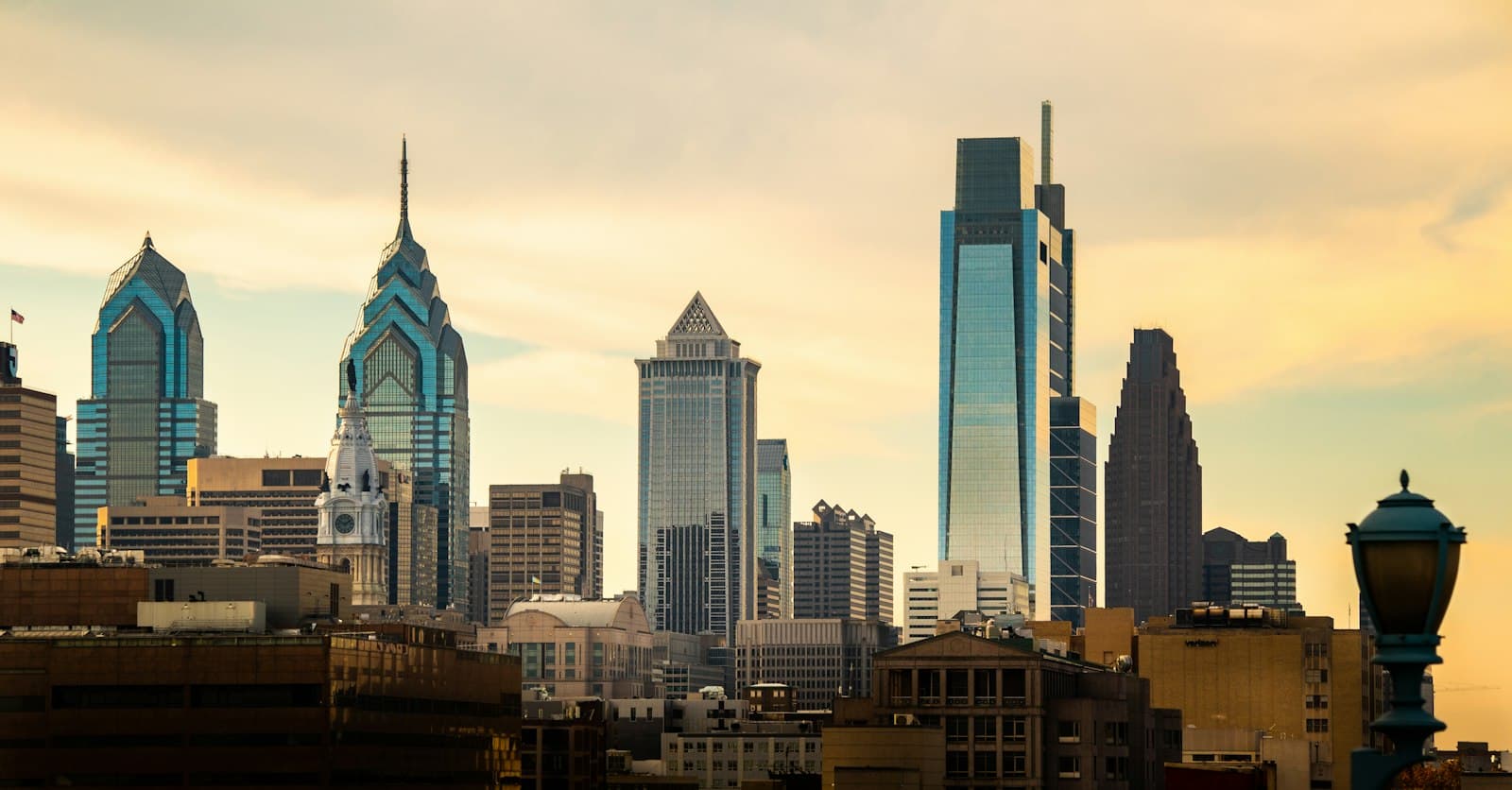
Center City's permits are mostly alterations: restaurant and retail fit-outs on Walnut and Chestnut, office renovations in the towers along Market Street, condo work in Rittenhouse and Washington Square West, and the brick rows of Old City and Society Hill being rehabbed under the eye of the historical commission. The jobs are smaller than a new build and harder to serve: no lot, a loading zone shared with everyone, streets the Streets Department watches closely, and a dumpster that has to be gone before the sidewalk cafe opens.
Where We Work in Center City
Rittenhouse & Fitler Square
Condo renovations, townhouse rehabs and restaurant fit-outs on the blocks around the square. A 10 yard box fits a loading zone; a short rental with a dawn delivery and a prompt pickup keeps it out of the way.
Washington Square West & Midtown Village
Rows of three-story houses between Walnut and South, with gut rehabs and roof work on blocks where parking is the only use of the curb. The right-of-way permit is the first question here, and we settle it before quoting the box.
Old City & Society Hill
Historic brick houses and former warehouses turned into lofts and galleries, rehabbed with the historical commission's rules in mind. Debris comes out the front door onto narrow streets, so the box is small, placed carefully and swapped often.
Market East & Chinatown
Storefront and restaurant fit-outs along Market, Arch and Race Streets, where the work happens overnight and the dumpster has to arrive after closing and leave before opening.
The Towers & Market Street
Office renovations and tenant fit-outs in high-rises, with debris coming down by freight elevator to a box in the loading dock, and a container in the building's lot or a nearby yard for the fixtures.
The Work That Keeps Center City Busy
Restaurant & Retail Fit-Outs
A space gutted and rebuilt on a lease deadline. A small box in the loading zone for a few days, a porta potty where the building's restrooms are shut off, and a container for the kitchen equipment that arrives early.
Office & Condo Renovations
Floors of a tower renovated at a time, with debris coming down the freight elevator at set hours. We schedule the box's drop and swaps around the building's dock rules.
Events & Parades
Parades on Market and Broad, races that start at City Hall, festivals in Rittenhouse Square and on the blocks of Old City. Rows of units placed where the crowd is, accessible restrooms and hand wash stations, serviced before the first wave.
Dumpsters Where There's No Lot
Almost every Center City job needs the Streets Department's right-of-way permit for a temporary construction dumpster, because there's nowhere else to put it. The Streets Department reviews the spot for pedestrian and traffic impact, and a commercial corridor gets the hardest look, so a side street, a loading zone or the building's dock is usually the answer. A 10 or 20 yard box, dropped at dawn and swapped often, keeps the footprint small. The porta potty goes in the loading dock or the rear alley where the service truck can reach it, and a storage container lives in the building's lot or a nearby yard rather than on the street.
The Restricted Zone: Where a Street Dumpster Isn't an Option
Center City has a rule the rest of the city doesn't. L&I's checklist for a right-of-way dumpster license rules out the area between Bainbridge Street, Spring Garden Street and the two rivers, along with any site where the building or its use dates from after 1989, in each case unless a licensed public dumpster was already there. That takes the parking-lane placement off the table for most of downtown, and it changes how a job is planned. The box goes on private property: the building's loading dock, a rear alley that's part of the lot, a courtyard, a parking lot the owner controls, or a construction site inside its fence. Where none of those exist, the debris leaves another way, in a hauler's truck on a schedule, carted out through the dock in a dumpster the building keeps, or in a box set in a leased parking lot a block away.
The Temporary No Parking permit from the Streets Department still exists for a temporary dumpster in a parking lane for up to seven days, and on the residential blocks of Rittenhouse, Fitler Square and Washington Square West it's the route a short job uses, where the block isn't inside a restricted zone or the building predates the cutoff. The city maps the restricted zones online, and we check the address against them before we quote. A Center City job that assumes a street box and finds out otherwise on delivery day loses a day of demolition; one that knows which case it's in from the start runs on schedule. Our Philadelphia Dumpster Permit Guide walks through the restricted zones and both permit routes.
Debris That Rides the Freight Elevator
A tenant fit-out on the 30th floor of a Market Street tower produces the same debris as any office demolition, drywall, ceiling grid, carpet, casework and glass, with one difference: it has to come down. The building's rules say which elevator, which hours and which dock, and the debris moves in carts and bins on the freight elevator to a box at the dock that the building's management assigned. That box is usually a 20 or 30 that gets swapped often rather than a 40 that sits, because the dock is shared with every other tenant's deliveries and a full box blocks it. We deliver and swap in the building's window, usually before 7 a.m. or after 6 p.m., and the driver is on the dock's list before the truck arrives.
The porta potty question in a tower is usually settled by the building: the crew uses the floor's restrooms or a designated one on a construction floor, and a unit comes only when the landlord says no. In a ground-up tower it's the opposite, and it's the hardest service plan in the city: high-rise units on the working floors draining to holding tanks, pumped through a hose run up the hoist, with the ground units for the trades at grade. Tell us the floor count and the pour schedule and we'll lay it out before the first unit goes up. A storage container on a downtown site is a 20 or 40 inside the construction fence as the stockroom; on a fit-out there's rarely room for one, and the material stages in the building.
Restaurant Rows, Old City Brick and the Parade Calendar
Midtown Village, Chinatown and the restaurant blocks of Rittenhouse turn over storefronts constantly, and a restaurant fit-out is a short, intense demolition in a building with no dock: the old kitchen, the bar, the floor and the ceiling coming out through the front door in a week. The box is a 10 or 20 at the curb under a Temporary No Parking permit where the block allows it, loaded from the sidewalk side at the hours the restaurant row isn't busy, which downtown means early morning; or it's a hauler's truck on a schedule where the block doesn't. Old City and Society Hill add the historic district's rules and a Belgian-block curb that a steel box would crack: plywood under the box, a 10 or 20 size, and the Historical Commission's say on anything that touches the building's exterior.
Downtown's event calendar is the city's biggest, and most of it doesn't come to us: the parades on Broad and Market, the Parkway festivals, the marathon and the Mummers are planned months ahead with the Office of Special Events and their site plans show every unit. What does come to us is the rest: the block parties and street fairs on the residential blocks, the festivals in the squares, the corporate and campus events on private plazas, each with a cluster of units, an accessible unit on a path a wheelchair can use, a hand wash station by the food and a pickup the morning after. Our How Many Porta Potties Do I Need guide has the planning table those site plans start from.
What We Deliver in Center City
- Porta Potty Rental in PhiladelphiaStandard and deluxe porta potties, ADA-accessible units, hand wash stations and luxury restroom trailers for the ground floor, plus high-rise units and holding tanks for the upper floors and the office trailer, all on weekly service.
- Dumpster Rental in Philadelphia10, 20, 30 and 40 yard roll-off dumpsters for demolition, gut rehabs, roofing, cleanouts and new construction, with heavy-debris boxes for concrete and brick, swaps on call, and the rental days and weight allowance stated on every quote.
- Storage Container Rental in Philadelphia10, 20, 40 and 48 foot steel shipping containers for job site tools, materials, fixtures and office overflow, set on the ground where you point, locked and dry, with shelving and lighting on request, rented by the month and picked up when the job is done.
Center City FAQ
Can I get a dumpster on a Center City street?
With the Streets Department's right-of-way permit, and only where the Streets Department finds it won't block pedestrians or traffic. A side street, a loading zone or the building's dock is more likely to be approved than a main shopping street. We'll tell you what's likely for your address.
Can you deliver overnight for a restaurant fit-out?
Delivery windows depend on the block and the building's rules; tell us the hours the space can take a truck and we'll schedule the drop and the pickup to fit, including early-morning drops before the sidewalk gets busy.
Where does a porta potty go on a high-rise renovation?
In the loading dock, the rear alley or the building's lot, wherever the service truck can reach it. If the building's own restrooms are working on the floors you're renovating, you may not need one at all.
Sources
Get a Center City Quote
Send the address and what you need and we'll respond today.
Nearby Service Areas
Rentals for Your Center City Site or Event
Porta potty rental, dumpster rental and storage container rental for your Philadelphia job, quoted the same day.