
Roll-Off Dumpsters — Philadelphia, PA
30 Yard Dumpster Rental in Philadelphia
30 yard dumpster rental in Philadelphia for three-story rowhome gut rehabs, additions, commercial fit-outs and new construction: about nine pickup loads in the same footprint as a 20 yard with taller walls, quoted the same day with the days, the tons and the swap price in writing.
A 30 yard is the dumpster for jobs that would fill a 20 by Tuesday. It sits on about the same length of curb as a 20, but its walls are higher, so it takes half again as much debris without needing more street. That makes it the size to reach for on a full gut rehab, an addition or a fit-out where the debris is bulky and the block is tight.
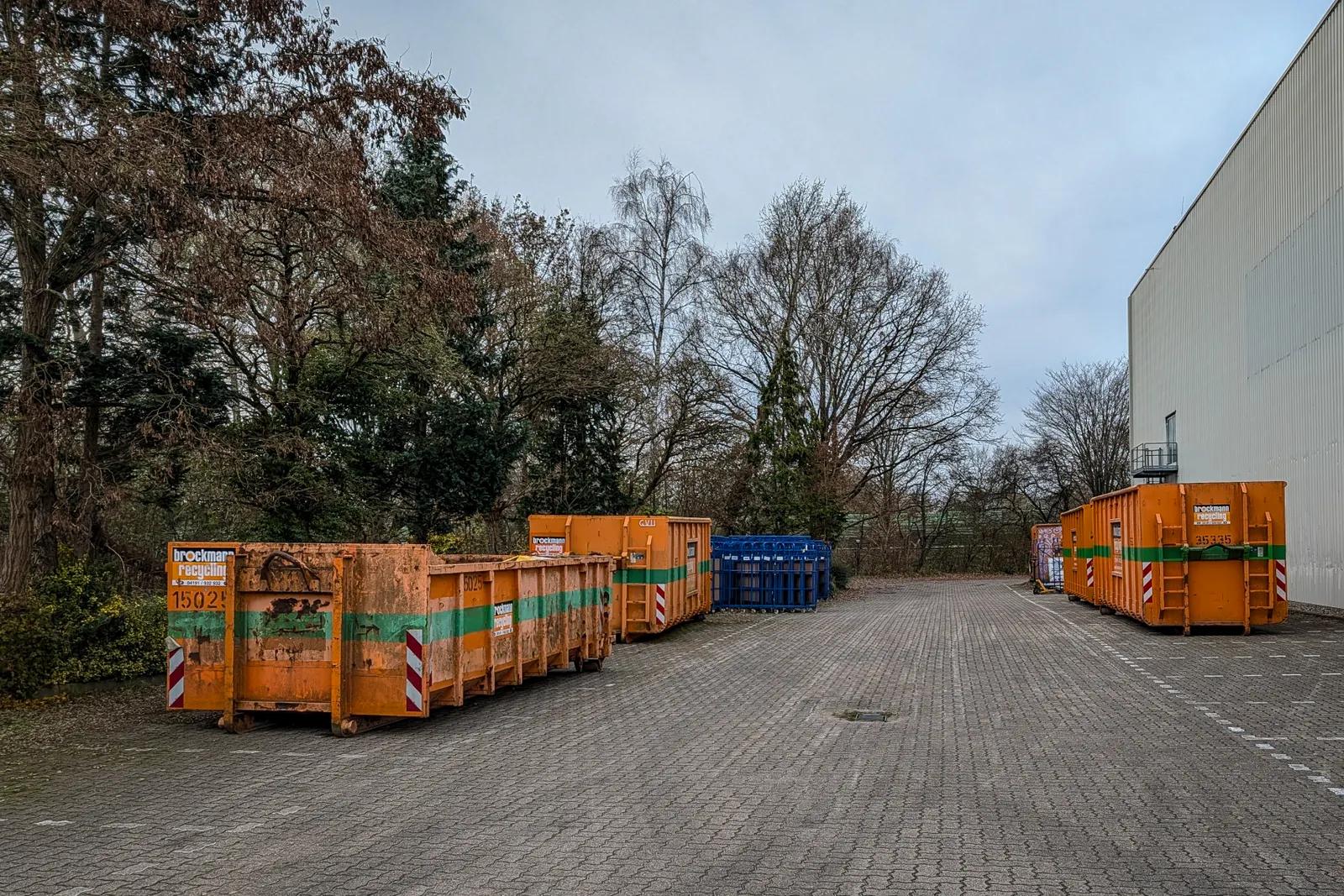
About 9 Pickup Loads
A three-story gut rehab or an addition in one dumpster.
A 20's Footprint
Taller walls, not more curb, which matters on a tight block.
Swaps on a Schedule
Set swaps for a long job, or call when it's full.
Days & Tons in Writing
Every number on the quote before the truck rolls.
Jobs That Call for a 30 Yard
Thirty cubic yards is about nine pickup loads. It's sized for jobs with a lot of volume: whole floors of finishes coming out, framing waste from an addition, the packaging and offcuts from a commercial fit-out, or the full interior of a house being emptied and gutted at once.
- Three-Story Gut Rehab: A Philadelphia rowhome taken down to the brick on every floor.
- Additions & Rear Extensions: The old rear wall, the kitchen behind it and the framing waste from the new work.
- Commercial Fit-Outs: Demising walls, ceilings, flooring and the boxes every finish arrives in.
- New Construction: Framing offcuts, sheathing, drywall scrap and packaging on a townhome row.
- Big Cleanouts: A large house, a church basement or a commercial space being emptied.
Taller Walls, Same Curb
Space on a Philadelphia block is the limit on most jobs. A 30 yard takes about the same length of curb as a 20, so it fits where a 20 fits, with walls tall enough to hold half again as much. The tradeoff is loading: material has to go higher, so the rear door matters more, and on a three-story house the crew is often dropping debris from a window chute straight into it.
Plan the chute and the dumpster together. The chute's bottom has to land inside the dumpster, not on the sidewalk next to it, and the dumpster's spot is set by the window the chute comes from. Tell us the window and we'll plan the drop so the dumpster lands where the chute does.
A dumpster on the street or the sidewalk needs the Streets Department's approval on top of the L&I dumpster license. See the Philadelphia Dumpster Permit & License Guide for the steps.
Weight on a Big Dumpster
A bigger dumpster means more room, not a bigger weight allowance for heavy material. Plaster, tile, wet debris and masonry fill a 30 yard's weight limit long before they fill its volume, and an overloaded dumpster can't leave the curb until some of it comes back out. On a gut rehab, the heavy demo goes first in a smaller dumpster, and the 30 yard takes the bulky, lighter debris that follows.
Every quote states the tons included and the rate per ton over, and every haul comes back with the weight ticket from the scale and the driver's photos of the load. If concrete or brick is a big part of the job, see Concrete Dumpster Rental in Philadelphia.
Swaps on a Long Job
A 30 yard on a busy site can fill every few days. Instead of calling each time, a long job can run on a set swap schedule: a full dumpster out and an empty one in on the same visit, on the same day each week or every few days, adjusted as the job moves from demo to framing to finishes. A swap on call works too, at the price on the quote.
Separating as you go saves money. Clean cardboard, clean drywall and clean wood are handled differently from mixed debris, and on a long new-construction job a second dumpster for one of them can lower what the facility charges.
The Truck & the Site
A 30 yard comes on the same roll-off truck as the smaller sizes and needs the same things: a straight run to back in, clear overhead space to tip the bed and a firm surface to set the dumpster on. On a fenced construction site, it goes inside the fence and the truck comes through the gate, so tell us the gate width and where the dumpster can sit without blocking the concrete trucks or the crane.
On a driveway, boards under the rails protect the surface. On the street, the dumpster stays out of the travel lane and clear of hydrants, crosswalks and the corner.
One Quote for the Whole Job
A gut rehab or an addition needs more than a dumpster. Porta potties for the crew and a storage container for the cabinets and fixtures that arrive before they're needed go on the same quote and the same invoice, with one number for every change. See Contractors & Job Sites for how it fits together.
Rehab Neighborhoods & the 30 Yard
The three-story rowhome gut rehab is a Philadelphia specialty, and it happens most where houses are being bought, gutted and rebuilt: Fishtown and Kensington, Brewerytown and Strawberry Mansion, Point Breeze and Grays Ferry, the blocks around Temple. On those jobs, the 30 yard is the dumpster that keeps up with a full crew pulling plaster, lath, flooring and finishes off three floors at once.
Those are also the blocks where parking is tight and the dumpster sits on the street. A 30 yard takes about the same curb as a 20, so it fits where a 20 fits, and the extra height means fewer swaps on a street where every truck visit blocks traffic for a few minutes.
Delivery Day on a Busy Block
The roll-off truck drives up the street, backs to the spot, lifts its bed and slides the dumpster off the back. That needs a straight run behind the spot and clear space overhead, with no low wires or branches. If a car is parked where the dumpster goes, it has to move before the truck arrives.
On a narrow one-way street, tell us the block and the spot, and the time of day that's quietest. Early morning before the street fills is usually best. A dumpster on the street needs its Streets Department approval in hand before it's dropped, and the L&I medallion that comes with the license, so the delivery date follows the paperwork.
30 Yard or 40 Yard?
On a big job, the question is often whether to go all the way to a 40 yard. The 40 holds more, but it's longer and taller, it needs more room to place and more clearance for the truck, and on most Philadelphia streets it simply doesn't fit. The 30 is the largest dumpster that works on a typical rowhome block.
On a fenced lot or a commercial site with room to spare, the 40 makes sense for bulky, light debris like drywall, framing and packaging. On a street-side rehab, a 30 with swaps is usually the faster, cheaper path. Tell us the site and the job and we'll recommend the size that fits both.
What Can't Go in Any Dumpster
On a gut rehab, the surprises come out of the walls and the basement: old paint cans, oil tanks, refrigerators, a water heater's propane tank, car batteries in the garage. Those stay out of the dumpster, along with tires, chemicals and anything with refrigerant. Older Philadelphia houses also hide pipe insulation and floor tile that may contain asbestos, which has to be tested and removed under its own rules before the demo touches it. Set questionable items aside and ask, because a rejected load costs more than a phone call.
What Goes Into the Price
Every quote is built around your event or job, not pulled from a rate card. These move the price most.
- The Size: A 30 yard costs more than a 20 and less than a 40.
- What Goes In: Mixed debris, clean wood, cardboard and drywall are each handled differently.
- Weight: Tons included and the rate per ton over are on the quote.
- Days & Swaps: Days on site and each swap, on call or on a schedule, priced up front.
Delivery, setup and pickup are on the quote, and the quote is in writing before you pay anything.
More From Philly Portables
30 Yard Dumpster Rental in Philadelphia: Questions
How much fits in a 30 yard dumpster?
About nine pickup truck loads: a three-story rowhome gut rehab, an addition or a commercial fit-out.
Is a 30 yard bigger on the street than a 20?
It takes about the same length of curb. The extra room comes from taller walls, which is why it works on tight blocks.
Can I put heavy debris in a 30 yard dumpster?
Some, but heavy material like plaster, tile and masonry reaches the weight limit long before the dumpster is full. Heavy demo usually goes in a smaller dumpster first.
Can I set up regular swaps?
Yes. A long job can run on a set swap schedule, or call for a swap when it's full, at the price on the quote.
Do I need a permit for a 30 yard dumpster in Philadelphia?
Every dumpster needs an L&I dumpster license. One on the street or sidewalk also needs the Streets Department's approval.
How much does a 30 yard dumpster cost in Philadelphia?
It depends on the days, the debris, the weight and the swaps. Send the address and the job for a written quote the same day.
Get a Quote
Send the details and we'll respond today.
A 30 Yard Dumpster for Your Philadelphia Job
Porta potty rental, dumpster rental and storage container rental for your Philadelphia job, quoted the same day.