
Heavy Debris Dumpsters — Philadelphia, PA
Concrete Dumpster Rental in Philadelphia
Concrete dumpster rental in Philadelphia for sidewalks, patios, front steps, driveways, brick walls, chimneys, dirt and tile: heavy debris dumpsters sized for the weight of the load, not just its volume, quoted the same day with the tons spelled out.
Concrete, brick, dirt and stone are the heaviest things that go in a dumpster, and that changes everything about the rental. A dumpster full to the top with concrete would weigh far more than a truck can legally carry, so heavy debris goes in a smaller dumpster, filled only to the weight limit, and a clean load of concrete or dirt is cheaper to dispose of than the same weight mixed with wood and drywall.
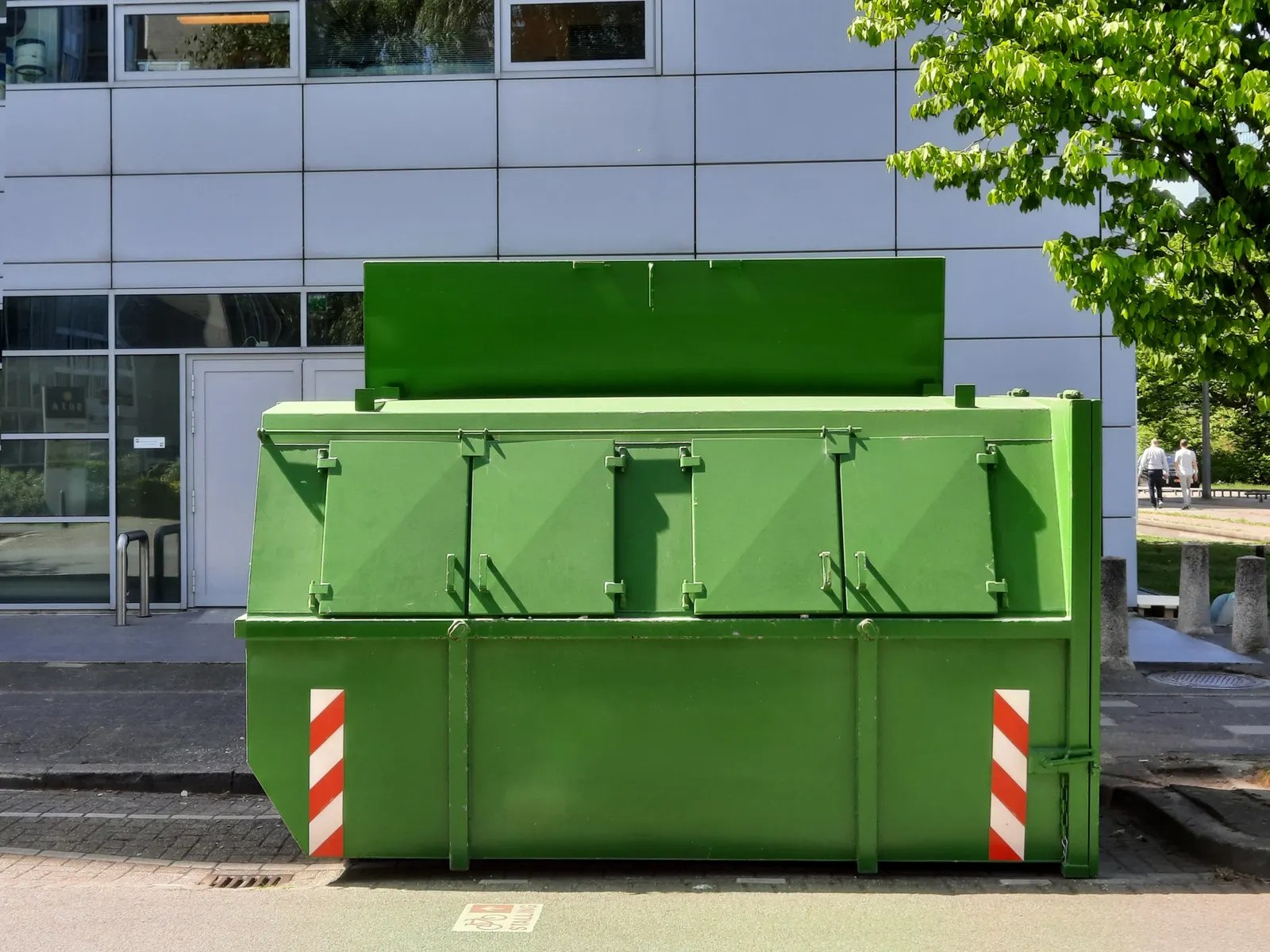
Sized for Weight
A small dumpster filled to the weight limit, so it can leave the curb.
Clean Loads Cost Less
Concrete or dirt on its own is cheaper to dispose of than mixed debris.
Swaps on Call
Big masonry jobs run as several loads, swapped when each is full.
Weight Ticket Every Haul
The scale's number comes back to you with the driver's photos.
What Counts as Heavy Debris
Heavy debris is anything that weighs much more than it looks: material dense enough that a few yards of it hit the weight a truck can legally carry. On a Philadelphia job, that's usually one of these.
- Concrete: Sidewalks, patios, driveways, slabs, footings and front steps, broken up for loading.
- Brick & Block: Garden walls, chimneys, parapets and the backs of rowhomes coming down for an addition.
- Dirt & Stone: Excavation for a footing, an underpinned basement or a yard regraded.
- Asphalt: A driveway or a parking pad torn up.
- Tile & Mortar Beds: Old bathroom floors set in a thick mortar bed, which weigh far more than the tile alone.
- Plaster: Not masonry, but heavy enough in volume that a plaster-heavy demo is quoted for weight.
Why Heavy Debris Gets a Smaller Dumpster
Every roll-off truck has a legal weight limit, and every dumpster has a weight it's rated to carry. A big dumpster filled with concrete blows through both before it's a third full. If it's overloaded, the truck can't take it, and someone has to shovel debris back out at the curb before it moves.
So heavy debris goes in a small dumpster, usually a 10 yard, filled to the line the driver points out rather than to the top. The dumpster looks half empty when it's full by weight. That's on purpose. A bigger masonry job runs as several of those loads, with a swap on call each time one is ready, instead of one oversized dumpster that can't leave.
Tell us what's coming out, roughly how much, and how thick it is. A four-inch sidewalk and a two-foot footing are very different loads, and the quote sets the size, the fill line and the tons included from what you describe.
Clean Loads vs. Mixed Debris
A dumpster with nothing but concrete in it, or nothing but clean dirt, is a clean load. Clean concrete and brick can be crushed and reused, and clean fill dirt has places it can go, so a clean load usually costs less to dispose of than the same weight of mixed construction debris. A load counts as clean only if it's clean, though: wood, trash, drywall, rebar-heavy chunks or plastic mixed in can turn a clean load into a mixed one.
On a job with both kinds of debris, two dumpsters often cost less than one: a small one for the concrete and brick, and a 20 yard or a 30 yard for the lighter debris. We'll tell you when the split makes sense for your job.
Sidewalks, Steps & Rowhome Masonry
In Philadelphia, property owners are responsible for the sidewalk in front of their property, and replacing a cracked or heaved sidewalk is one of the most common concrete jobs in the city. It's also one of the easiest dumpster placements to get wrong: the dumpster for a sidewalk job usually sits on the street, in the right-of-way, which needs the Streets Department's approval on top of the L&I dumpster license. See the Philadelphia Dumpster Permit & License Guide.
Front steps, stoops, garden walls and the back walls of rowhomes coming down for an addition are the other big sources of masonry. Brick from a party wall needs extra care, since the wall is shared, and the demolition side of that work has its own permits. The dumpster side is simple: tell us how much is coming out and we'll size the loads.
Loading a Heavy Debris Dumpster
Break concrete into pieces a person can lift or a skid steer can place, and spread the load evenly across the floor of the dumpster instead of piling it at one end. An uneven load is hard on the truck and the dumpster, and it can keep the dumpster from loading at all.
Keep it below the fill line. The driver will show you the line when the dumpster is dropped, and the quote states the tons included. Every haul crosses a scale and the weight ticket comes back with the driver's photos of the load, so you always know what you were billed against.
Protect the surface under it. A loaded heavy debris dumpster puts a lot of weight on a small area, so on new asphalt or pavers, boards under the rails help. On the street, it stays out of the travel lane and clear of the curb ramp.
Basement Digouts & Excavation
Philadelphia's older rowhomes often have low basements, and lowering the floor to make usable space is a common part of a full renovation. A basement digout produces dirt and broken concrete in serious quantities, all of it carried up the stairs or out through a window one bucket at a time, straight into a heavy debris dumpster at the curb.
The same goes for footings for an addition, a new rear wall, or a yard regraded for drainage. Clean dirt is a heavy load on its own, and dirt mixed with old concrete, brick and stone from a basement floor is heavy and mixed. Tell us what the dig is likely to turn up and we'll size the loads and plan the swaps so the crew never stops waiting for an empty.
Planning a Masonry Job's Loads
The easiest way to plan heavy debris is in loads, not dumpsters. Work out roughly how much concrete, brick or dirt is coming out, and the quote comes back with how many loads that is, the size of each and the tons each includes. The job then runs as a series of swaps: one dumpster fills, one call brings an empty and takes the full one away.
If the job also produces lighter debris, like framing, drywall or a kitchen, plan a separate dumpster for it from the start. Keeping heavy and light debris apart is the single biggest way to keep a masonry job's disposal cost down, and it keeps every heavy load clean.
Philadelphia Brick Worth Saving
Not every brick has to go in a dumpster. Old Philadelphia brick, especially from front walls and chimneys of the older houses, is often worth cleaning and reusing on the same job or selling to someone restoring a historic house. Before a wall comes down, it's worth deciding what gets saved and what goes.
Brick that's being kept goes on a pallet or in a storage container, not in the dumpster. The rest goes in a clean load, broken mortar and all, so it stays a cheaper clean load and doesn't become mixed debris.
Driveways, Patios & Asphalt
Driveways and patios on the twins and singles in the Northeast, Roxborough and the suburbs are the other big source of heavy debris. Concrete driveways come out in slabs that need breaking before they're loaded; asphalt comes up in chunks that are heavy but loads more easily. Both are clean loads on their own, which keeps the cost down. Tell us the size of the area and roughly how thick it is, and the quote comes back with the number of loads.
What Goes Into the Price
Every quote is built around your event or job, not pulled from a rate card. These move the price most.
- Clean or Mixed: A clean load of concrete, brick or dirt costs less to dispose of than mixed debris.
- Weight: The tons included and the rate per ton over are stated on the quote.
- Number of Loads: A big masonry job runs as several loads, each swapped when full.
- Days on Site: A set number of days, with extra days on the quote.
Delivery, setup and pickup are on the quote, and the quote is in writing before you pay anything.
More From Philly Portables
Concrete Dumpster Rental in Philadelphia: Questions
What size dumpster do I need for concrete?
Usually a 10 yard, filled to the weight limit rather than the top. A bigger job runs as several loads with a swap each time.
Why can't I fill the dumpster to the top with concrete?
A full dumpster of concrete would weigh more than the truck can legally carry and more than the dumpster is rated for. It's filled to a line the driver points out.
Is a clean load of concrete cheaper?
Usually, yes. Clean concrete, brick and dirt can be crushed or reused, so a load with nothing else in it costs less to dispose of than mixed debris.
Can I put dirt in a dumpster?
Yes. Clean dirt is a heavy load like concrete, sized by weight. Dirt mixed with roots, trash or debris counts as mixed.
Do I need a permit for a dumpster for my sidewalk job?
Every dumpster needs an L&I dumpster license. A dumpster on the street for a sidewalk job also needs the Streets Department's approval.
How much does a concrete dumpster cost in Philadelphia?
It depends on the weight, whether the load is clean and how many loads the job needs. Send the address and what's coming out for a written quote the same day.
Get a Quote
Send the details and we'll respond today.
A Heavy Debris Dumpster for Your Philadelphia Job
Porta potty rental, dumpster rental and storage container rental for your Philadelphia job, quoted the same day.