
Dumpster Swaps — Philadelphia, PA
Dumpster Swaps in Philadelphia, PA
Dumpster swaps in Philadelphia for rehabs, roof tear-offs, demolition and cleanouts that fill more than one roll-off: the full dumpster is hauled to be weighed and dumped, and an empty one is set down in the same spot, on one call or on a schedule you set.
Most jobs don't fit in one dumpster. A gut rehab fills a 20 yard with plaster before the framing even starts, a tear-off on a row of twins fills one a day, and a commercial floor of ceiling grid and drywall can fill a 40 by lunch. A swap is how the job keeps going without a second permit, a second spot on the street or a day of the crew standing around a full box.
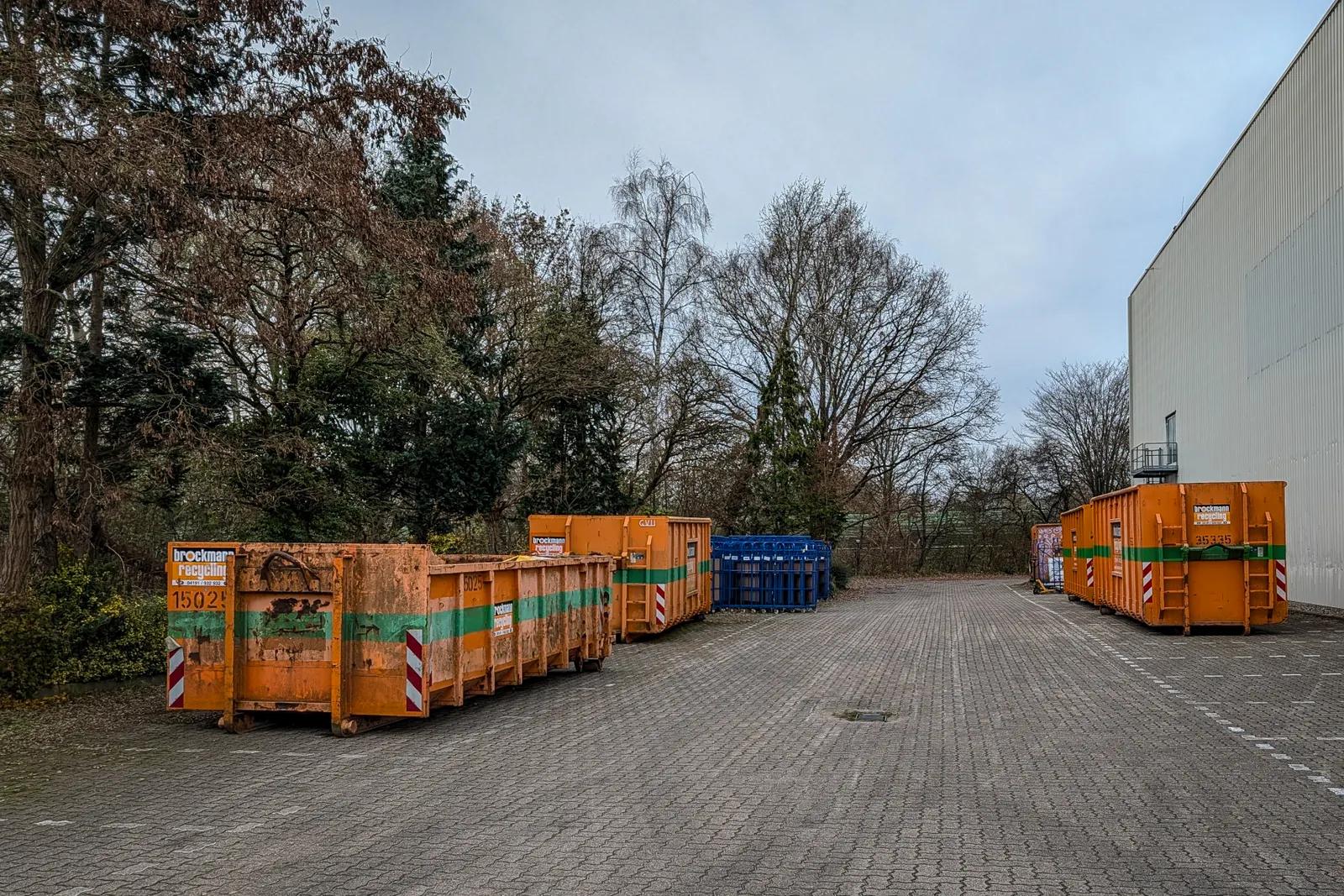
Full Out, Empty In
One visit hauls the full one and sets down the empty.
On Call or on a Schedule
Call when it's full, or set swap days for a long job.
Swap Price on the Quote
Every swap is priced before you pay for the first drop.
Same Spot, Same Permit
The empty goes where the full one was, so nothing changes on the block.
What a Dumpster Swap Is
A swap, sometimes called a swap-out, an exchange or a dump and return, replaces a full roll-off with an empty one in a single visit. The truck arrives with an empty dumpster on its bed, sets it down nearby, picks up the full one, sets the empty in the full one's place and drives the full one to the scale and the transfer station. The crew loses a few minutes, not a day.
The difference between a swap and a second rental is everything that doesn't change. The dumpster stays the same size in the same spot. The street permit, the curb space and the placement the neighbors are used to all stay as they are. The rental keeps running on the same quote, and the only new line is the swap itself, at the price that was on the quote from the start.
Swaps on Call
On most jobs, swaps happen when the dumpster is full. Somebody on the crew calls or emails, the swap goes on the schedule, and an empty dumpster comes down in its place. Calling a little before it's completely full is the trick: if the crew calls when the debris is a foot below the rail, the empty shows up about when the space runs out, instead of the crew piling debris on the ground waiting for it.
Tell us what's in the dumpster when you call. A load of plaster or concrete may already be at its weight limit well below the rail, and a dumpster that's over the limit can't legally go on the road until it's lightened. A quick photo of the load on the call saves a wasted trip.
Scheduled Swaps for Long Jobs
A long job with steady debris runs better on a schedule. A demo crew that fills a 30 yard every two days, or a multifamily site that sends a 40 to the transfer station every Monday and Thursday, can set the swap days at the start and stop thinking about it. The empty comes down on the same day each week, the superintendent plans the work around it, and the swaps change as the job does: more during demolition and framing, fewer during finishes.
- Demolition & Gut Rehabs: The heaviest stretch of a job, often a swap every day or two while the inside comes out.
- Roof Tear-Offs: A tear-off on several houses in a row, with a swap at the end of each day so the next roof starts empty.
- New Construction: Framing scraps, packaging and drywall cutoffs on a steady weekly schedule.
- Cleanouts: An estate, a warehouse or a building turnover that fills dumpsters faster than anyone guessed.
Swaps on a Philadelphia Block
On a rowhome block, the dumpster usually sits on the street in front of the house, under a Streets Department permit for the right-of-way. A swap keeps that arrangement: the empty goes into the same space the full one leaves, so the permit, the cones and the parking around it stay as they are. That's a big reason a 20 or a 30 with swaps is often the better choice on a tight street than one 40 that won't fit.
The truck needs room to work. It pulls up beside or in front of the dumpster, sets the empty down, and picks up the full one off the back. Parked cars tight against the dumpster, a car blocking the front of it, or overhead wires low across the street all slow a swap down or stop it. When you call, tell us anything that's changed on the block since the first drop, like a moving truck parked out front, a new car or a street closed for paving. Our Philadelphia dumpster permit guide covers the permit and where a dumpster can sit.
How Many Swaps a Job Needs
The number of swaps comes down to how much debris the job makes and how big a dumpster the site can hold. Bigger dumpsters mean fewer swaps, but on a city street the size is usually set by the space, not the debris. A few rough patterns from Philadelphia jobs:
- One Room or One Bathroom: A 10 or 20 yard, usually with no swap at all.
- A Rowhome Gut Rehab: Two to four 20 yard loads over the demo and framing, more if the plaster is thick.
- A Three-Story Rehab or Addition: A 30 yard with swaps every few days during demo.
- Commercial Fit-Outs & Demolition: A 30 or 40 on a set schedule, sometimes two or three swaps a week.
Swaps & Weight
Every swap is a new haul, and every haul crosses a scale. The weight ticket from each one comes back with the driver's photos of the load, so you can see what each dumpster weighed against the tons included on the quote. On a heavy job, swapping a little early is cheaper than going over: a dumpster of plaster or brick that's swapped at its weight limit stays inside the allowance, while one loaded to the rail with the same material goes over it. See dumpster weight limits & weight tickets for how the allowance works.
Concrete, brick, dirt and stone go in a concrete dumpster, sized for the weight, and on a big masonry job that means several smaller loads swapped as each one fills.
Keep Each Swap Quick
A swap goes fast when the full dumpster is ready to leave the moment the truck pulls up. These keep it that way:
- Level With the Rail: Nothing sticking up over the top. A load that can't be tarped can't be hauled until it's leveled.
- Clear the Front: No cars, pallets or material in front of the dumpster or where the empty will go.
- Nothing Prohibited: Tires, paint, batteries, propane tanks and appliances with refrigerant stay out, or the load comes back.
- Gate & Access: Tell us the gate code or the hours the site is open.
Pair Swaps With the Rest of the Site
The job that needs swaps usually needs more than a dumpster. A crew big enough to fill a 30 yard every few days needs a porta potty or two on weekly service, and the cabinets and fixtures that show up during demo need a storage container to sit in. All of it goes on one quote and one invoice, with one call to change any of it.
Swap vs. a Bigger Dumpster
When a job keeps filling dumpsters, the obvious question is whether to rent a bigger one. On an open lot, a bigger dumpster can mean fewer trips. On most Philadelphia jobs, though, the street decides: a 40 yard is long and tall, and a rowhome block rarely has the curb space, the overhead clearance or the patience from the neighbors to take one. A 20 or 30 that fits, swapped when it's full, moves the same debris without a fight over the space.
Weight decides too. A bigger dumpster doesn't carry more weight on the road; it only holds more room. If the debris is plaster, roofing or masonry, a big dumpster hits its weight limit with space to spare, and you pay for room you can't use. Smaller loads swapped more often keep each haul inside its allowance.
Planning Swaps Around the Crew
The best swap schedule is the one the crew never notices. A few habits make that happen on a busy site:
- Swap Before the Big Day: Schedule an empty the day before a demo day, a tear-off or a cleanout, so the crew starts with a full box of room.
- Load Heavy First: Put plaster and masonry on the floor of an empty dumpster and lighter debris on top, so weight is spread and the load stays level.
- Assign One Caller: One person on the crew calls for swaps, so the office doesn't get three calls or none.
- Leave a Note About Changes: A new hydrant cone, a parked trailer or a closed lane changes how the truck works the block.
Cleanouts & Estates
Cleanouts fill dumpsters faster than anyone expects. An estate in a three-story rowhome, a basement that hasn't been touched in thirty years, a warehouse being cleared for a new tenant or a rental unit trashed by the last tenant can each fill two or three dumpsters. Furniture, mattresses, carpet and boxes are bulky and light, so they fill by volume, and a swap or two is normal.
Mattresses, electronics and appliances often have their own disposal rules or fees at the transfer station. Tell us what's in the house when you ask for the quote, and we'll say what can go in the dumpster, what has a fee and what has to go somewhere else, so the swaps aren't held up by a load that comes back.
What Goes Into the Price
Every quote is built around your event or job, not pulled from a rate card. These move the price most.
- The Swap Price: Each swap is a set price on the quote, by dumpster size, so you know the cost of every load before the job starts.
- Weight Per Load: Each haul includes the tons on the quote; heavy loads that go over add the per-ton rate.
- Debris Type: Clean concrete or dirt costs less to dispose of than mixed debris.
- How Often: A set schedule or on call, priced the same per swap either way.
Delivery, setup and pickup are on the quote, and the quote is in writing before you pay anything.
More From Philly Portables
Dumpster Swaps in Philadelphia: Questions
What is a dumpster swap?
A full roll-off is picked up and an empty one of the same size is set down in its place on the same visit, so the job keeps going without a new permit or a new spot.
How do I get a dumpster swapped?
Call or email when it's getting full, or set swap days at the start of a long job. Calling a little before it's completely full means the empty arrives about when you run out of room.
How much does a dumpster swap cost in Philadelphia?
Each swap is priced on your quote by dumpster size, before you pay for the first drop. Tons over the allowance on any load add the per-ton rate on the quote.
Do I need a new permit for each swap?
No. The empty goes in the same spot the full one left, so the existing permit and placement carry on.
Can I set up regular swaps?
Yes. A long job can run on a set swap schedule, and the schedule changes as the job does.
Can I switch sizes on a swap?
Yes, if the spot can take it. A job that moves from heavy demo to light framing debris can swap a 20 for a 30, or the other way around.
Get a Quote
Send the details and we'll respond today.
Dumpsters & Swaps for Your Philadelphia Job
Porta potty rental, dumpster rental and storage container rental for your Philadelphia job, quoted the same day.