
High-Rise Units — Philadelphia, PA
High-Rise Porta Potty Rental in Philadelphia
High-rise porta potty rental in Philadelphia for towers, multifamily buildings and mid-rise construction: portable toilets fitted with a steel lifting frame so the crane or the hoist sets them on the floors where the crew is working, serviced on a schedule planned with your super.
On a twenty-story building, the walk to the porta potty on the ground floor is a ride down the hoist, a wait, and a ride back up. Multiply that by a crew of forty and a day's worth of trips and the lost hours add up fast. A high-rise unit puts the restroom on the deck where the work is, and moves up as the building does.
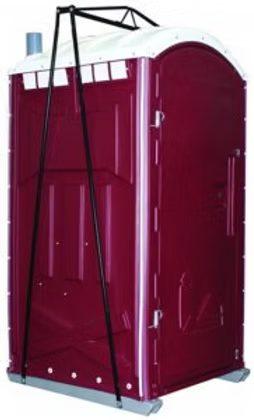
Steel Lifting Frame
Built to be picked by a crane or set on the hoist and moved up floor by floor.
OSHA Counts on Every Floor
Toilets close to the crew, not twenty floors down.
Service Planned With the Super
Pump-outs scheduled around crane time and the hoist.
Ground Units Too
Standard units at grade, a dumpster and a container on one quote.
Why Upper Floors Need Their Own Restrooms
OSHA requires toilets on every construction site in numbers set by the size of the crew: one for 20 workers or fewer, then a toilet seat and a urinal for every 40 workers, and every 50 once the crew passes 200 (29 CFR 1926.51(c), Table D-1). OSHA has also said in its interpretations that toilets have to be close enough to the work that a worker can get to one without undue delay, and that a trip of more than about ten minutes doesn't meet that.
On a tower, the hoist is what decides how long the trip takes. During a concrete pour or at shift change, the wait for the car can be longer than the ride, and a worker who needs a restroom either loses a half hour or doesn't go. Units on the working floors fix both the count and the distance.
It's also a jobsite cleanliness issue every super knows. When the nearest restroom is a long trip, crews find other places to go, and that ends up in a stairwell or a corner of an unfinished floor.
What a High-Rise Unit Is
A high-rise unit is a portable toilet built to be lifted. A steel frame bolts to the base of the unit and rises over the roof to a single pick point, so the crane can lift it without crushing the walls, and the frame holds the unit together when it's set down on a deck. Some sites move them up on the material hoist instead of the crane; the frame protects the unit either way.
Inside it's a standard unit: a seat over a holding tank, a urinal, paper and sanitizer. Pair it with a hand wash station on the same floor where the crew is mixing, finishing or working with sealants.
Placing & Moving Units Up the Building
Your crane crew or your hoist operator does the lift under your site's rigging plan; the unit comes ready to be picked. We'll work out with your super where the units sit on each floor: near the core or the hoist landing, on a solid deck, out of the way of the next pour and the material laydown.
As the building rises, the units move up with the work. A common pattern is a unit every few floors where crews are active, plus the ground-level units by the gate and the site trailer. When the floors below close in and the building's own restrooms come online, the high-rise units come down.
- Pick Point & Weight: Tell your crane operator the unit is coming and plan the pick like any other load; the frame gives a single, balanced pick point.
- Solid Deck: Set on a finished slab or a planked deck, never on loose material or near a floor edge.
- Near the Work: Close to the core or the stair, where every trade on the floor can reach it.
- Out of the Way: Clear of the pour, the laydown and the path the material takes off the hoist.
Service on a Tower
Pumping a unit twenty floors up is planned, not improvised. Depending on the building, the unit comes down on the crane or the hoist for service and goes back up, or it's serviced in place on the floor where it stands. We set the schedule with your super around crane time and the hoist, so service doesn't take the car away when the crew needs it.
Units are serviced at least weekly, pumped out, washed, deodorized and restocked, with extra visits for big crews or summer heat. OSHA has said a toilet in unsanitary condition doesn't count toward a crew's required number, so the schedule is part of the count.
Towers & Multifamily Jobs Across Philadelphia
Philadelphia's skyline keeps climbing in Center City, University City and along the river, and the multifamily buildings going up in Fishtown, Northern Liberties, Brewerytown and Graduate Hospital run five to ten stories on a single lot. On a mid-rise with no crane, the units go up on the hoist and the stairs are the backup; on a tower, the crane does it.
Most of those sites are tight. The ground-level units share the street frontage with the dumpster and the material deliveries, which is where a single quote for the restrooms, the roll-off dumpster and a storage container saves a call to three vendors. See Contractors & Job Sites for how a whole job comes together.
How Many High-Rise Units
Start with OSHA's count for the whole crew, then split it between the ground and the floors where people are working. A building with forty workers spread over six active floors needs its units where they are, not all at the gate. Tell us the crew size, the number of floors and how the work moves through the building, and the quote comes back with the count and the placement, adjusted as the job goes up.
Mid-Rise Buildings Without a Crane
Not every multi-story job has a tower crane. A five- or six-story wood-frame building on a Philadelphia lot is often built with a material hoist, a telehandler and the stairs. High-rise units still work there: they ride up on the hoist, or a telehandler with the right attachment sets them on a floor through an opening, and the frame protects the unit on the way.
On those jobs, the trip down the stairs is the problem the units solve. A framing crew on the fifth floor walking down and back up to the ground-level unit loses time every trip, and the units on the floors pay for themselves in hours the crew stays at work.
The Ground Level: Gate, Trailer & Street
Upper-floor units are only part of the site. At grade, the units by the gate serve the crew coming and going, the deliveries and the trades who work at ground level, and the site trailer may need a holding tank for its own restroom. On a downtown lot with no yard, the ground-level units may sit on the sidewalk inside the fence, which puts them in the Streets Department's right-of-way along with the dumpster.
Planning the ground units, the floor units, the trailer tank and the dumpster together means one service route, one invoice and one person to call when the super needs a unit moved up three floors on Thursday.
Winter & Wind on the Upper Floors
An open deck twenty floors up in a Philadelphia January is colder and windier than the street. A unit set in the open catches the wind like a sail, so it goes near the core, behind a column line or against a wall that's already up, and it's tied down where the site's safety plan calls for it. Doors face away from the prevailing wind so they don't slam or blow open.
Cold slows everything in a unit down, including the deodorizer, and the holding tank can freeze solid in a hard stretch. Service in winter keeps the tank from freezing and the unit usable. In summer it's the opposite: an upper deck in direct sun gets hot, and the unit is placed in shade where the floor above already casts it, with service stepped up in the hottest weeks.
Safety Around Units on an Open Floor
A restroom on an unfinished floor is used by people walking to it in a hurry, sometimes in the dark. Set it well back from any open edge, shaft or floor opening, on a path that's kept clear of material and cords, with lighting on an evening or early-morning shift. Every trade on the floor needs to know where it is, so it goes on the floor's layout like the hoist landing and the stairs.
When it's time to move a unit up, it's lifted empty after service, never full. That keeps the weight predictable for the pick and keeps the deck clean.
What Goes Into the Price
Every quote is built around your event or job, not pulled from a rate card. These move the price most.
- How Many Units: The crew size and the floors in use set the count.
- How Long: Rented by the 28-day period until the building's own restrooms take over.
- Service: Weekly at least, with extra visits for a big crew or summer heat.
- Ground Units & Extras: Standard units at grade, hand wash stations, a dumpster and a container on the same quote.
Delivery, setup and pickup are on the quote, and the quote is in writing before you pay anything.
More From Philly Portables
High-Rise Porta Potty Rental in Philadelphia: Questions
What is a high-rise porta potty?
A portable toilet with a steel lifting frame bolted to its base, so a crane or a hoist can set it on the upper floors where the crew is working.
Does OSHA require restrooms on upper floors?
OSHA requires toilets for the whole crew (29 CFR 1926.51(c)) and has said they must be close enough to reach without undue delay. On a tower, units on the working floors are how a site meets that.
Who lifts the unit onto the floor?
Your crane crew or hoist operator, under the site's rigging plan. The unit arrives with the frame ready to pick.
How is a high-rise unit serviced?
Either brought down by the crane or the hoist for service, or serviced in place, on a schedule set with your super around crane time.
How much does high-rise porta potty rental cost in Philadelphia?
It depends on the number of units, the length of the job and the service schedule. Send the address, crew size and floors for a written quote the same day.
Get a Quote
Send the details and we'll respond today.
Restrooms on Every Floor of Your Philadelphia Build
Porta potty rental, dumpster rental and storage container rental for your Philadelphia job, quoted the same day.