Porta Potty Service — Philadelphia, PA
Porta Potty Service in Philadelphia, PA
Porta potty service in Philadelphia for job sites, events and anyone who owns their own units: every visit pumps the tank, washes the inside, recharges the deodorizer and restocks paper and sanitizer, on a schedule of once a week, twice a week or whenever you call.
A porta potty is only as good as its last service visit. The unit itself barely changes from one rental to the next; what a crew or a guest remembers is whether it was clean, stocked and not smelling at two in the afternoon. That comes down to how often it's serviced and how well each visit is done, and that's what this page is about.
Pumped, Washed & Restocked
Every visit empties the tank, cleans the inside and refills the supplies.
Weekly, Twice a Week or On Call
The schedule follows the size of the crew, the season and the job.
Units You Already Own
Your own portable toilets serviced on a schedule, nothing rented.
One Invoice
Service, extra visits and any rentals on the same bill.
What Every Service Visit Includes
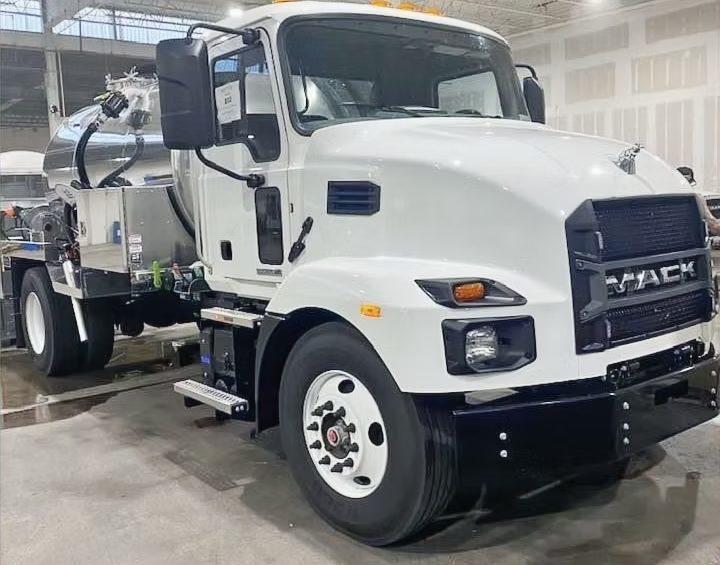
A service visit isn't a quick look and a squirt of air freshener. The service truck carries a vacuum tank for waste, a separate tank of fresh water and the supplies to bring the unit back to how it looked the day it arrived. A full visit goes in this order:
- Pump the Tank: The holding tank under the seat is vacuumed out completely, down to the bottom.
- Recharge the Tank: Fresh water and deodorizer go back in so the tank starts clean and the smell stays down until the next visit.
- Wash the Inside: The seat, the urinal, the walls, the floor and the door handle are washed with fresh water and wiped down.
- Restock: Toilet paper, hand sanitizer, and soap and paper towels where there's a sink.
- Check the Unit: The door latch, the vent, the lights on a trailer and anything broken or tagged with graffiti gets noted and dealt with.
Weekly Porta Potty Service
Once a week is the baseline on a construction site, and it's what's included with every unit we rent for a job. For a small crew sharing one or two units, a weekly visit keeps the tank well below full and the supplies from running out, and the unit stays usable from Monday to Friday.
Weekly service works when the number of units matches the number of people. A crew of a dozen on a single standard porta potty will run it hard by midweek; the same crew with two units will barely notice the week go by. Before you add visits, it's worth checking whether a second unit is the cheaper fix. Our guide to how many porta potties you need has OSHA's table for job sites and the counts for events.
Twice-a-Week Service: When One Visit Isn't Enough
Some sites need the truck back before the week is out. Twice-a-week service splits the week in half, usually a Monday or Tuesday visit and a Thursday or Friday visit, so the unit never goes more than three or four days without being pumped and restocked. These are the jobs that usually call for it:
- Big Crews on Few Units: When framing, drywall and mechanical trades overlap and the headcount jumps for a few weeks, a second visit covers the surge without moving more units in.
- Summer Heat: A plastic unit in direct sun on a July afternoon in Philadelphia gets hot, and heat is what makes a tank smell. Two visits a week keep it in check.
- Client & Inspector Walk-Throughs: A homeowner, a developer or a city inspector walking the site judges the whole job by the restroom by the gate. A visit timed the day before keeps it presentable.
- Sites Open to the Public: A sales office, a model home, a school or a business that stays open during the work has visitors using the units too.
- Long Shifts & Weekend Work: A crew running six days or double shifts uses a unit far more than one working forty hours.
Service for Portable Toilets You Already Own
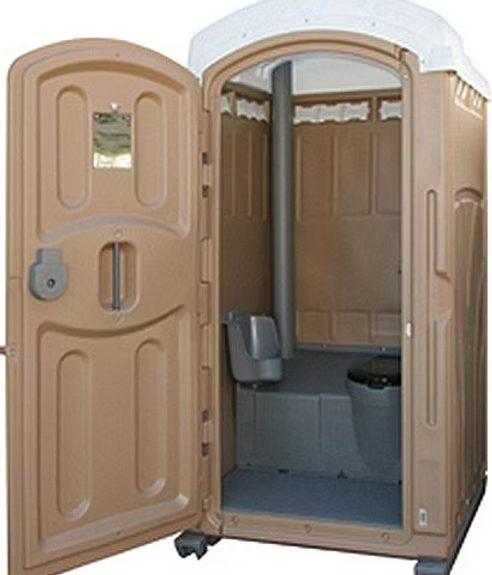
Plenty of Philadelphia contractors, landscapers, schools, churches, sports leagues and farms bought their own porta potties years ago. Owning the unit was the easy part; keeping it pumped is the part nobody wants to do with a shop vac and a 55-gallon drum. We service owned units on the same schedules we use for our rentals: weekly, twice a week, every other week for light use, or on call when you need it.
The visit is the same full service: the tank pumped and recharged, the inside washed, the supplies restocked. The waste goes to a licensed disposal site, never down a storm drain or into a sewer cleanout, which is the one part of owning a unit you can't legally do yourself.
To get a quote for service on your own units, tell us how many you have and what kind (standard, flushing, accessible, a hand wash station or a holding tank), where they are, who uses them and how often, and how the truck gets close to them. If a unit is cracked, missing its latch or hasn't been pumped in a long time, say so; the first visit may take longer, and a unit that's past fixing is something we'd rather tell you about than service.
Event Service: Before, During & After
Event units are serviced around the event, not the calendar. For a one-day block party or wedding, the units arrive clean and stocked and are pumped after the event when they're picked up; nobody needs the truck in the middle of the first dance. A weekend festival, a multi-day race or a fair is different, and the units are serviced overnight or early in the morning between days so every day starts clean.
Under Philadelphia's portable toilet permit, units at a public event in a residential area have to be serviced at least every 48 hours. That sets the floor for a multi-day event in a neighborhood. The headcount sets the rest: a crowd that runs the units hard on a Saturday may need a visit midday as well as overnight. See our event rentals and the Philadelphia portable toilet permit guide for how the permit works.
On-Call & Extra Visits
Sometimes a unit needs service before its next scheduled visit: a crew doubled for a concrete pour, a unit got tipped, somebody locked the tank lid down with a sandwich in it, or a client walk-through moved up a day. One call or email puts an extra visit on the schedule, and it goes on the same invoice as the regular service.
On-call service is also how some owners of their own units prefer to work: no fixed schedule, just a call when the tank is getting full. That works for light use, like a unit at a ballfield that only sees weekend games, as long as somebody is actually checking it.
Signs a Unit Needs More Service
You don't have to guess. The unit tells you when the schedule isn't keeping up, and the crew usually tells the superintendent before the superintendent tells us. Watch for these:
- The Tank Is More Than Half Full by Midweek: It'll be at the top before the next visit. Add a visit or a unit.
- Paper or Sanitizer Runs Out: Supplies running out early is the first sign a unit is getting more use than the schedule was set for.
- Odor Through the Vent: Heat and a full tank make a unit smell well before it's actually full.
- Crews Walking to the Next Block: If people are leaving the site to find a restroom, the one on site has lost them.
Holding Tanks, Trailers & Hand Wash Stations
Service covers more than the single-stall porta potty. A luxury restroom trailer has its waste tank pumped, its fresh water refilled and its stalls, sinks and mirrors cleaned. A hand wash station gets its gray water pumped, its fresh water refilled and its soap and towels restocked. An office trailer holding tank is pumped on a schedule set by how many people use the trailer's restroom.
All of them go on one service schedule with the porta potties on the same site, so one visit takes care of everything.
Winter Service in Philadelphia
Philadelphia gets enough hard freezes for the tank of a porta potty to ice over, and a frozen tank can't be pumped. From late fall through early spring, the deodorizer charge in each unit gets a freeze-resistant mix so the tank stays liquid, and hand wash stations with fresh water tanks need their own winter plan. Units placed out of the wind and in the sun freeze less. Our Philadelphia winter job site guide covers the rest of the cold-weather planning.
Help the Service Truck Help You
A service visit only happens if the truck can get to the unit. On a rowhome block that means a place to stop close enough to run the hose, and on a big site it means a path that isn't blocked by a lift, a dumpster or a delivery. These keep visits on schedule:
- Leave a Clear Path: The hose reaches a fair distance, but not around a building or through a fenced lot.
- Unlock the Gate: Tell us the gate code or when the site is open. A locked gate is a missed visit.
- Mind Street-Cleaning & Trash Days: Tell us the block's schedule so visits don't land on top of them.
- Keep It Level: A unit leaning on soft ground or a slope can't be pumped completely and tips more easily.
What Goes Into the Price
Every quote is built around your event or job, not pulled from a rate card. These move the price most.
- How Often: Weekly, twice a week, every other week or on call. More visits cost more; a second unit is sometimes the better fix.
- How Many Units: Several units on one site serviced in one stop cost less apiece than units scattered across the city.
- What Kind: A standard porta potty is the simplest visit. Trailers, sinks and holding tanks take more time and water.
- Rented or Owned: Service is included with our rentals. Owned units are quoted by the visit, with the first visit priced on their condition.
Delivery, setup and pickup are on the quote, and the quote is in writing before you pay anything.
More From Philly Portables
Porta Potty Service in Philadelphia: Questions
How often should a porta potty be serviced?
Once a week is the standard on a construction site with the right number of units for the crew. Heavy use, summer heat, long shifts or a site open to the public often calls for twice a week. Event units are serviced around the event.
What happens during a porta potty service visit?
The tank is pumped out, recharged with fresh water and deodorizer, the inside is washed down, and toilet paper and hand sanitizer are restocked. Anything broken is noted and taken care of.
Do you service porta potties we own?
Yes. We service owned units in Philadelphia weekly, twice a week, every other week or on call, and the waste goes to a licensed disposal site. Tell us how many units you have, where they are and how they're used for a quote.
Is service included when I rent a porta potty?
Yes. Every unit we rent for a job site includes weekly service, and event units are serviced around the event. Extra visits go on the same invoice.
How often do event porta potties have to be serviced in Philadelphia?
Under the city's portable toilet permit, units at a public event in a residential area have to be serviced at least every 48 hours. A busy crowd may need visits more often than that.
Can I get an extra service visit?
Yes. Call or email and an extra visit goes on the schedule, for a concrete pour, a walk-through or a unit that's filling faster than expected.
How much does porta potty service cost in Philadelphia?
It depends on how often, how many units, what kind and whether they're ours or yours. Send the details for a written quote the same day.
Get a Quote
Send the details and we'll respond today.
Put Your Units on a Service Schedule
Porta potty rental, dumpster rental and storage container rental for your Philadelphia job, quoted the same day.