Container Delivery & Pickup — Philadelphia, PA
Storage Container Delivery & Pickup in Philadelphia
Storage container delivery in Philadelphia, set down by a tilt-bed truck exactly where you point on your lot, driveway or job site, and picked up when you call: both trips on the quote before you pay, and a placement plan settled before the truck arrives.
Getting a 20 or 40 foot steel box onto a Philadelphia lot is the part of a container rental that takes real planning. The streets are narrow, the alleys are narrower, wires hang low and every block has a car parked exactly where the truck needs to swing. A delivery goes smoothly when the spot, the path and the door direction are settled before delivery day, and that's what this page walks through.
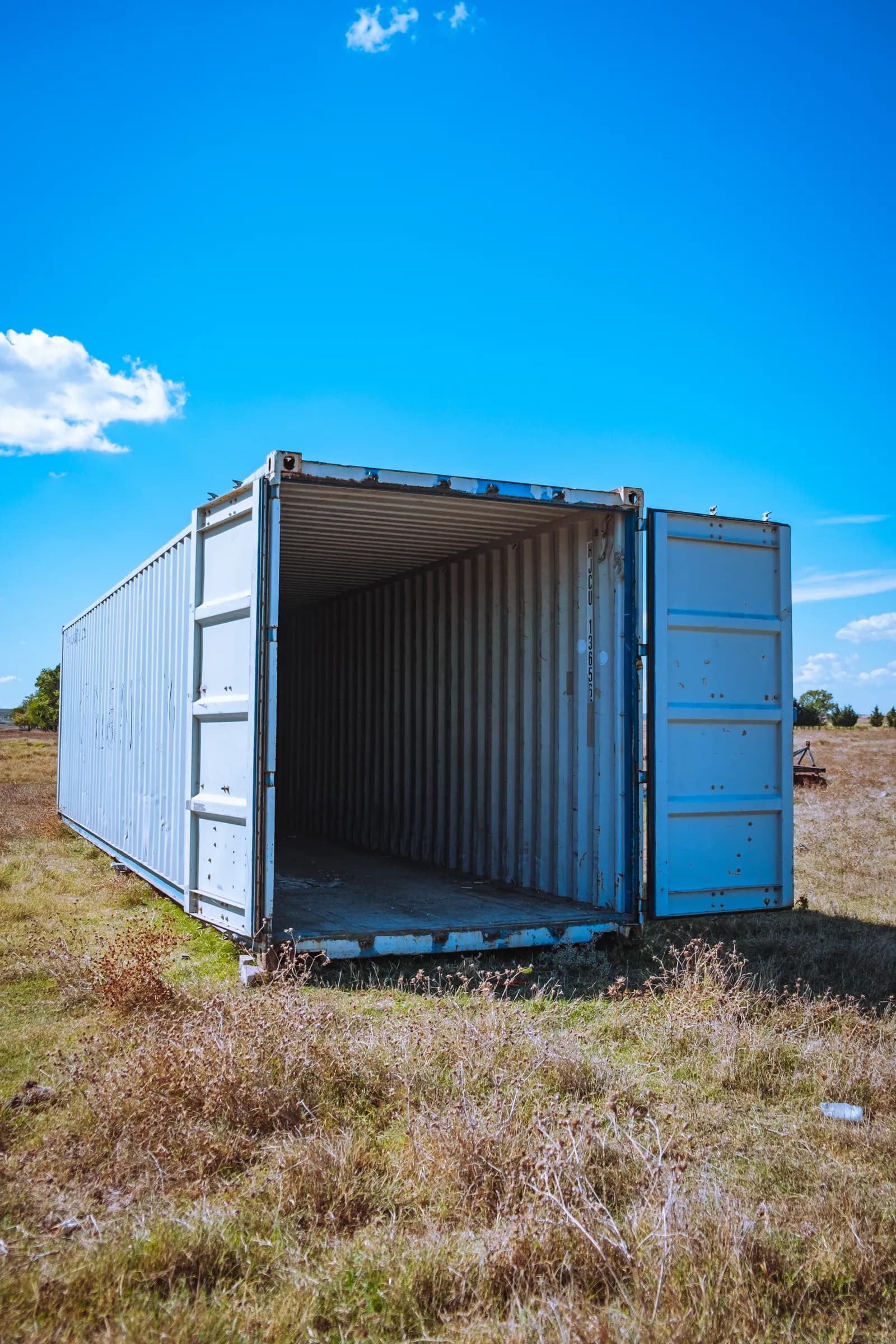
Tilt-Bed Delivery
The truck tilts and slides the container off where you point.
Placement Planned First
The spot, the path and the doors settled before delivery day.
Pickup on Your Call
Call or email when you're done; billing stops at pickup.
Both Trips on the Quote
Delivery and pickup priced before you pay.
How a Container Is Delivered
A storage container comes on a tilt-bed truck, the same kind of truck that carries roll-off dumpsters. The driver backs up to the spot, tilts the bed, and the container slides off its back end onto the ground as the truck pulls forward. The container lands where the back of the truck was, door end facing whichever way it was loaded. No crane, no forklift and nobody lifting anything.
Because the container slides off the back, the truck needs a straight line to the spot and room to pull forward the length of the container. That's what decides where a container can go.
What the Spot Needs
Tell us the spot when you ask for the quote, ideally with a photo. These are the things we'll check:
- Straight Approach: The truck backs in straight. A spot around a corner or between two buildings at an angle usually won't work.
- Length to Pull Forward: Roughly the container's length plus the truck's in front of the spot, so the box can slide off.
- Overhead Clearance: The tilted bed rises high. Low wires, tree branches and porch roofs over the path are the most common problem.
- Width: About 10 feet of clear width for the truck, more at the turn into a driveway or alley.
- Firm, Level Ground: Asphalt, concrete or packed gravel. Soft ground or a slope means cribbing blocks under the corners.
Which Way the Doors Face
Decide this before delivery day, because turning a container around afterward means a second trip. The doors should face where the load comes from: the house, the building or the work. On a city lot, facing the doors toward a wall or the inside of a fence also makes them harder to work on for a thief, which matters if there's no lock box. Leave about eight feet clear in front of the doors so they swing open fully. A double-door container needs that room at both ends.
Delivery on a Philadelphia Block
Most Philadelphia containers go on private property: a driveway in the Northeast or Roxborough, a rear parking pad reached from an alley in South Philadelphia, a church or school lot, a business's parking lot, or the inside of a construction fence. Alleys are the tricky ones, since many are too narrow for the truck or have wires low across them; a photo of the alley from the street end tells us a lot.
The sidewalk and the street are the city's right-of-way. A container there follows the same Streets Department rules as a dumpster, which is why a container usually goes on private property when there's any way to do it. If the street is the only option, plan for the approval before delivery day. Our Philadelphia dumpster permit guide covers the right-of-way.
Delivery Day
A few things on the day make the delivery quick:
- Clear the Path: Move cars, material and trash cans out of the approach and the spot.
- Open the Gate: Have the gate open or someone there with the code.
- Mark the Spot: Cones, spray paint or a person standing there; it saves a lot of pointing.
- Be Reachable: Answer the phone in case the driver has a question about the spot.
- Have Your Lock Ready: Lock it up the first night with your own padlock.
Moving a Container on Site
On a long job the container sometimes has to move: the foundation goes in where it was sitting, the fence moves, or the building closes in around it. A container can be picked up and set down in a new spot on the same site, as long as it's empty or nearly empty and the new spot passes the same checks. A relocation is priced on the quote like any other trip, and the rental keeps running.
Pickup
When you're done, call or email for pickup and it goes on the schedule. Empty the container, sweep it out, take your padlock off and leave the doors closed and latched. The truck needs the same path it used for delivery, so move anything that's been parked or piled in the way since. The rental ends and billing stops when the container is picked up. See monthly storage container rental for how the billing periods work.
One Trip for the Whole Job
If the job needs a roll-off dumpster and porta potties too, plan the placement for all three at once: the container out of the way of the dumpster's swaps, the restroom where the service truck can reach it, and the path in clear for every one of them. They go on one quote and one invoice.
Timing the Delivery
A container arrives on the date on your quote, and the best date depends on the job. For a renovation, deliver it a few days before demolition starts, so the furniture or the finish materials are out of the way before the dust. For a new build, deliver it once the site is graded and fenced, so it isn't in the way of the excavator. For a move, deliver it a few days before moving day, so loading isn't rushed.
Tell us about anything that limits the timing: a block party scheduled on the street, street cleaning, a parking restriction, a homeowners association's quiet hours or a business that can't have a truck in its lot during business hours. We'll plan the delivery around it.
Containers on Construction Sites
On a construction site, the container's spot should work for the whole job, not just the first week. A few things to think through before it's set:
- Out of the Building Footprint: Not where the foundation, the addition or the next phase is going.
- Away From the Dumpster's Path: The dumpster's swaps need a clear approach too; don't block one with the other.
- Close to the Work: Near the entrance the crew uses most, so the walk is short all day.
- Inside the Fence: On a fenced site, inside the fence and near the gate is the safest spot.
Delivery in Bad Weather
A container can be delivered in the rain, but the ground has to be able to take it. A tilt-bed truck on a soft, wet lawn or a muddy lot can sink, and a container set on mud settles unevenly. If the spot is grass or dirt and it's been raining for days, we may move the date or set the container on cribbing blocks to spread its weight. Snow and ice are handled the same way: clear the spot and the path, and the delivery goes ahead.
Neighborhood by Neighborhood
Every part of Philadelphia has its own delivery challenge, and knowing it ahead of time keeps delivery day simple. In South Philadelphia and Point Breeze, the streets are narrow and parked solid, and most containers go on a rear pad or in a business's lot. In Fishtown, Kensington and Northern Liberties, new construction sites usually have a fenced lot with room for a truck. In the Northeast, Roxborough and Germantown, driveways are common, but trees and overhead wires over them are too. In Center City, containers mostly go inside construction fences or in parking lots, because the sidewalks belong to the city.
Whatever the neighborhood, the best thing you can send with a quote request is a photo of the spot and a photo of the way in, taken from where the truck will enter. We'll tell you before delivery day whether it works, and if it doesn't, where it can go instead.
What Goes Into the Price
Every quote is built around your event or job, not pulled from a rate card. These move the price most.
- The Address: Delivery and pickup are priced by where the container is going.
- Access: A tight alley or a long carry can add a step; a photo of the spot helps the quote.
- Relocations: Moving a container on site is its own trip, priced on the quote.
- The Rental: The container itself, by the 28-day period until pickup.
Delivery, setup and pickup are on the quote, and the quote is in writing before you pay anything.
More From Philly Portables
Storage Container Delivery & Pickup in Philadelphia: Questions
How is a storage container delivered?
By a tilt-bed truck that backs up to the spot, tilts its bed and slides the container off onto the ground as it pulls forward.
How much room does the delivery truck need?
A straight approach, about 10 feet of width, room to pull forward the length of the container, and clear overhead space for the tilted bed.
Can a container go in my alley or driveway?
Often, if the truck can back in straight and there are no low wires or branches. Send a photo of the spot and the approach with your quote request.
Can I choose which way the doors face?
Yes. Tell us before delivery day, because turning a container around afterward is a second trip.
Can the container be moved after it's delivered?
Yes, empty or nearly empty, to a new spot on the same site that the truck can reach. A relocation is priced on the quote.
How do I schedule pickup?
Call or email. Empty it, remove your padlock and clear the path, and billing stops when the container is picked up.
Get a Quote
Send the details and we'll respond today.
Plan Your Container Delivery
Porta potty rental, dumpster rental and storage container rental for your Philadelphia job, quoted the same day.