
Ground-Level Storage — Philadelphia, PA
Ground-Level Storage Containers in Philadelphia
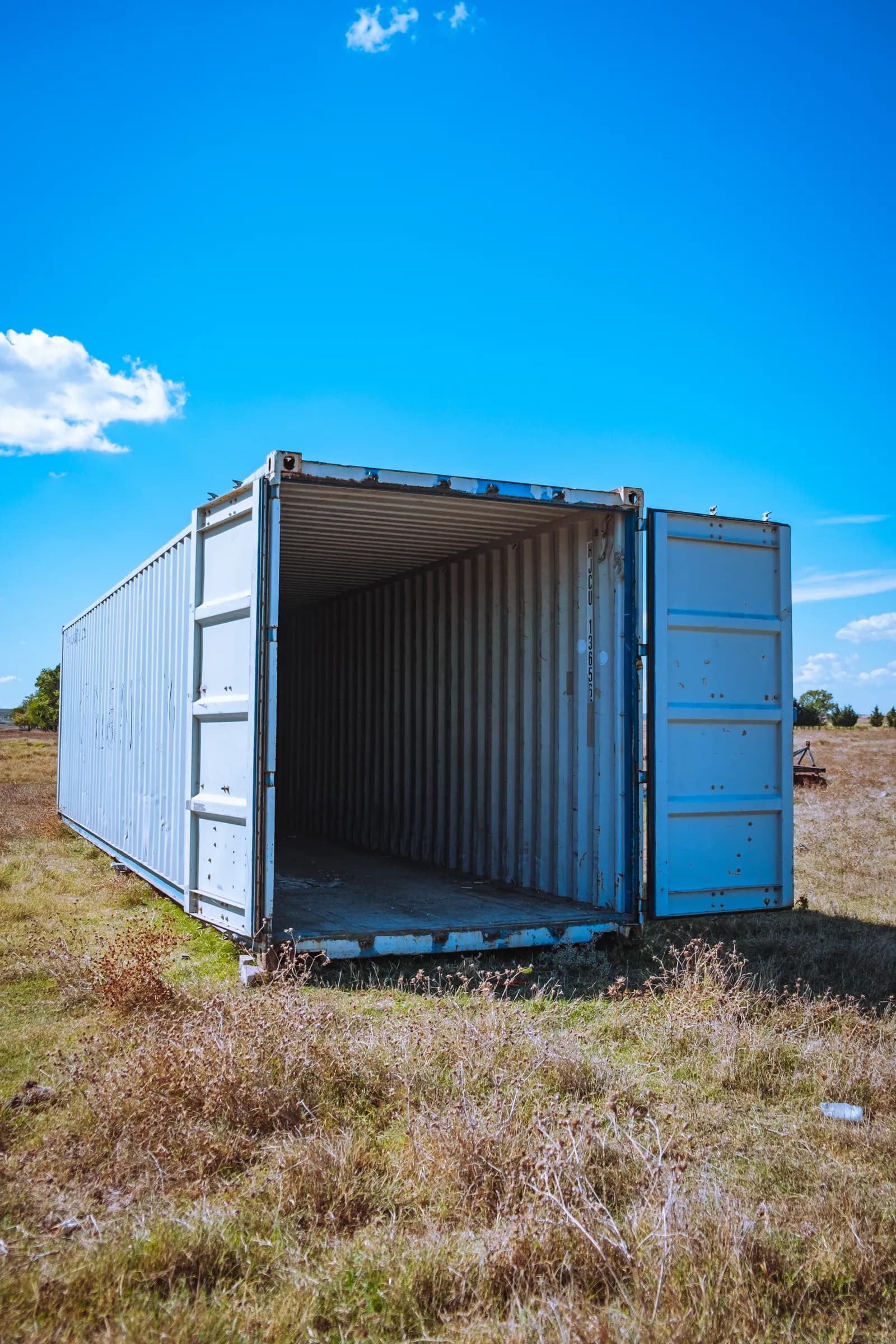
Ground-level storage containers in Philadelphia, set right on your lot with the doors at your feet: walk in with a box, roll in a dolly, a hand truck or a mower, and load from the ground without a dock, a forklift or a truck to climb into.
Storage you can't get into easily is storage you stop using. A container that sits on the ground where you need it, with doors you can walk straight through, gets used every day. Every container we place is set down on the ground at your site, not left on a trailer, and the doors open at ground level so the load goes in the way it would go into a garage.
Doors at Your Feet
Set on the ground, so you walk and roll straight in.
No Dock, No Forklift
Load by hand, with a dolly or a hand truck.
Set Where You Point
On your lot, your driveway or inside the job site fence.
Steel & Locked
Your padlock, with a lock box on request.
What Ground Level Means
A container on a trailer or a chassis sits four feet in the air, and loading it means a dock, a forklift or a lot of lifting. A ground-level container is slid off the delivery truck and set directly on the ground or on a few blocks of cribbing. The floor sits only a few inches above grade, about the height of a curb, and the cargo doors open the full width and height of the box. Walking in feels like stepping into a garage.
The step up is the steel frame under the floor. It's small, but on a dolly or a hand truck it's worth planning for, which is what the ramp is for.
A Ramp for Wheels
For anything on wheels, a short steel ramp at the door takes the step out entirely. Hand trucks stacked with boxes, a pallet jack on a firm surface, a mower, a cart of tools or a dolly with a cabinet on it roll straight in. Ask for a ramp on the quote if the load is heavy or comes in and out every day; a crew carrying tools in by hand usually doesn't need one.
Who Ground-Level Storage Is For
Ground-level access is the reason most people rent a container instead of a storage unit across town. It puts the storage on the site, where the work is.
- Contractors: Tools in at night and out in the morning with no lifting into a truck bed or climbing onto a trailer.
- Homeowners Renovating: Furniture rolled out of the house on a dolly and into the container in the driveway, then back in when the floors are done.
- Businesses: Inventory and fixtures moved in and out on a hand truck, every day if needed.
- Landscapers & Facilities: Mowers, blowers, carts and equipment rolled in and locked up.
- Schools & Churches: Tables, chairs, athletic gear and event supplies stored on the property, reached by anyone with a key.
The Ground Under It
Ground level only works if the ground is right. The container needs a firm, level spot so it sits square, the doors open and close easily, and water runs away from it instead of pooling under the door. Asphalt, concrete and packed gravel are ideal. On soft ground, grass or a slope, the container goes on cribbing blocks under the corners to keep it level and dry, which raises the floor a little and makes the ramp more useful.
- Level: A container on a slope racks slightly, and its doors bind or swing on their own.
- Firm: A loaded container is heavy. Soft ground lets a corner sink.
- Drained: Not in the low spot of the lot, where rain collects at the door.
- Room at the Door: About eight feet of clear space in front for the doors to swing open and to work.
Placement on a Philadelphia Lot
On a city lot, a ground-level container usually goes in the driveway, on a rear parking pad off the alley, in a business's lot or inside the construction fence. The delivery truck tilts its bed and slides the container off, so it needs a straight path to the spot and room overhead clear of wires and branches. Doors usually face toward where the load is coming from, the house or the building, so every trip is short.
A container on the sidewalk or the street sits in the city's right-of-way, which brings Streets Department rules with it. Most ground-level containers go on private property for that reason. See storage container delivery & pickup for what the truck needs on delivery day.
Which Size
Every size is ground level. The size comes down to how much you're storing and how much room you have:
- 10 Foot: A crew's tools or a room or two of furniture, where only a parking space is free. See the 10 foot container.
- 20 Foot: The standard: a whole rehab's materials or a house's contents. See the 20 foot container.
- 40 Foot: Commercial jobs, equipment and inventory. See the 40 foot container.
Inside a Ground-Level Container
Once it's easy to get into, a container is easy to use well. Keep daily items by the doors and long-term storage at the back, leave an aisle so nobody climbs over the load, and add shelving and lighting if people will be in and out every day. A lock box over the padlock keeps the doors as hard to get into for a thief as they are easy for you.
Ground Level vs. a Storage Unit Across Town
The alternative to a container on your lot is a self-storage unit somewhere else, and on a renovation or a job site, the difference adds up fast. A storage unit means loading a truck, driving it across town, unloading it, and doing the same in reverse every time something is needed. A ground-level container on the lot means walking twenty feet with a dolly.
For a homeowner refinishing floors, that's furniture out of the living room and into the driveway in an afternoon, with no rented truck. For a contractor, it's tools out in the morning and back at night without loading the van. For a business, it's stock on a hand truck from the container to the shelf.
Weather at the Door
A container that sits on the ground has its door at the ground, which is where rain and snow collect. Placement fixes most of it: not in the low spot of the lot, not where the gutter downspout lands, and with the ground sloping away from the doors if it slopes at all. On soft ground, cribbing blocks under the corners lift the container just enough to keep water from pooling at the door sill.
In winter, keep the area in front of the doors shoveled and salted. Ice frozen against the bottom of the door can keep it from swinging open, and a door that won't open is a container nobody can use.
Getting Heavy Items In
Most heavy items go into a ground-level container on wheels. A few tips for the big ones:
- Use the Ramp: A ramp takes the step out and makes a hand truck or a pallet jack roll straight in.
- Two People for Furniture: Dressers, sofas and appliances go in on a dolly with two people, one guiding at the door.
- Pallets by the Door: Palletized material stays close to the doors, where a pallet jack can reach it on the steel floor.
- Mind the Floor: The floor is built for cargo, but a pallet jack needs firm, level ground outside to get onto the ramp.
Ground-Level Storage for Moves & Renovations
Homeowners use ground-level containers most during a renovation or a move, and in both cases it's the access that matters. A kitchen remodel in a rowhome with no garage needs somewhere for the dining room furniture and the boxes of dishes, and the driveway or parking pad is the only place close enough. A family between closings needs somewhere to put a house's contents for a few weeks, and a container they can walk into is easier than a storage unit they have to drive to.
Load the way a mover would: heavy furniture first against the back wall, mattresses and long items on edge along the sides, boxes stacked on top and in the gaps, and the things you'll need first right by the door. A container loaded like that empties back into the house in an afternoon.
Furniture, electronics and anything that doesn't like humidity should sit off the steel floor on a pallet or a sheet of plywood, with a little air space between the load and the walls. On a dry afternoon, open the doors for an hour to air it out.
What Goes Into the Price
Every quote is built around your event or job, not pulled from a rate card. These move the price most.
- Size: 10, 20 or 40 foot, rented by the 28-day period.
- Ramp & Extras: A ramp, a lock box, shelving or lighting, each a line on the quote.
- Delivery & Pickup: Set by the address and how easy the spot is to reach.
- How Long: It renews every 28 days until you call for pickup.
Delivery, setup and pickup are on the quote, and the quote is in writing before you pay anything.
More From Philly Portables
Ground-Level Storage Containers in Philadelphia: Questions
What is a ground-level storage container?
A storage container set directly on the ground at your site instead of on a trailer, with the floor a few inches above grade and doors you walk straight into.
Do I need a forklift or a loading dock?
No. Load by hand, with a dolly or with a hand truck. A ramp at the door helps with anything on wheels.
Can I get a ramp?
Yes. Ask for a ramp on the quote if you'll be rolling heavy items in and out.
What kind of ground does it need?
Firm and level, like asphalt, concrete or packed gravel. On grass or soft ground it goes on cribbing blocks to stay level and dry.
Can it go in my driveway?
Usually, if the truck has a straight path to it and there's clear room overhead. Send the address and we'll check.
How much does a ground-level container cost to rent in Philadelphia?
It depends on the size, how long you keep it, the address and any extras. Send the details for a written quote the same day.
Get a Quote
Send the details and we'll respond today.
Ground-Level Storage on Your Philadelphia Lot
Porta potty rental, dumpster rental and storage container rental for your Philadelphia job, quoted the same day.